Your shopping cart is empty!

When is it best to take vitamins and supplements: in the morning, evening, or with food?
Published: 23/11/2026
Times Read: 35
Comments : 0
When should you take vitamins and dietary supplements — in the morning, in the evening, before or after meals? There is no single answer. For some substances, the composition of the meal is important, for others, the form of the compound, possible interactions with medications, or the specific purpose of use. The hour on the clock itself is often less important than consistency and correct reading of the instructions.
Comparing supplements based solely on the morning versus evening principle misses the point: vitamin D is fat-soluble; calcium carbonate and citrate react differently with stomach acidity; iron can interact with calcium; the enzyme lactase must come into contact with lactose during a meal. Below is a handy chart and explanation of what the research actually shows.

When to Take Vitamins and Supplements: A Quick Guide
| Substance or group | What to consider | Is it a principled hour? |
|---|---|---|
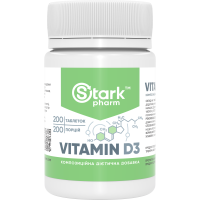
| Vitamin D3 | It is convenient to take with food containing fat; absorption is possible without it. | No: the conditions of admission and regularity are more important. |
| Vitamins A, E, K | These are fat-soluble substances; dietary fat can aid absorption. | There is no clear universal time. |
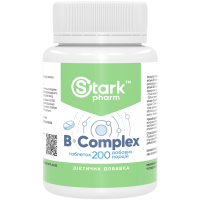
| B vitamins | The time can be chosen based on convenience and tolerability; the composition of the complex matters. | Always in the morning - an unconfirmed general rule. |
| Vitamin C | The amount in a serving and the sensitivity of the stomach are important; absorption depends on the amount. | For most situations, time is not the issue. |
| Magnesium | The form, elemental magnesium content, tolerability, and medication are important. | There is no universal advantage of evening. |
| Iron | Food and calcium may affect absorption; the reason for prescribing should be considered. | First of all, interactions are important, not morning or evening. |
| Calcium | Carbonate is usually better with food; citrate is less dependent on food. | Form is more important than time. |
| Omega-3 | Food and form of EPA/DHA can affect absorption and tolerability. | There is no mandatory morning time. |
| Creatine | The overall sequence of consumption is more important than the minutes before or after a workout. | The advantage of a specific hour is not reliably established. |
| Protein | It is necessary to assess the total amount of protein and its distribution in the diet. | It depends on nutrition, not a magical "window." |
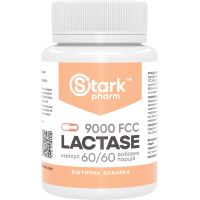
| Lactase | The use is associated with food containing lactose. | Yes: the connection with eating such food is important. |
| Melatonin | The time depends on the desired effect, individual rhythm, and instructions. | Yes: it can be fundamental. |
The table is not a personal schedule. Several ingredients may be combined in one product, and the instructions for a specific form or the doctor's recommendations take precedence over general rules. When taking medications, it is imperative to consider their own schedule.
Why "morning or evening" isn't always the right question
There are at least four different reasons why time can alter the outcome. The first is the presence of food and fat, which are necessary for the normal absorption of some substances. The second is the effect of food on gastric acidity or the rate of gastric emptying. The third is competition for absorption or interaction with drugs. The fourth is the effect on circadian rhythms, which is especially important for melatonin. For most common vitamins, the fourth mechanism is not the main one.
If a scientific paper records a faster increase in blood concentrations of a substance after a certain meal, this does not mean that taking it at exactly the same time will improve well-being. Bioavailability, laboratory indicators and real-world results for humans are different levels of evidence. Therefore, recommendations such as “all minerals only after dinner” or “B vitamins must be taken before 10:00” oversimplify the topic.
Vitamin D3: why it is often advised to combine with food
Vitamin D3 is fat-soluble. In a randomized trial by Dawson-Hughes et al. (2015), vitamin D3 absorption was higher in the group taking the supplement with fat in their meal compared to a meal without fat. Other studies have found differences between the intake conditions, but not consistent results across all measures.
A systematic review of studies on vitamin D absorption (2017) notes that fat in food can improve its absorption, but vitamin D is absorbed without a special fatty meal. Therefore, there is no reason to impose an additional fatty meal on a person just for the sake of a capsule. The composition of the usual diet, the form of the supplement and individual digestive characteristics are important.
The common advice to take D3 only in the morning does not have the same level of evidence as the effect of dietary fat on absorption. Nor should you conclude that morning or evening time alone determines the outcome of taking it. It is more important to avoid accidentally duplicating D3 in multiple complexes and to follow a consistent regimen if one has been prescribed by a specialist.
A, D, E and K are fat-soluble, but this does not mean that they all behave the same in the body. Their absorption can be affected by dietary fat, the composition of the product and conditions in which fat absorption is impaired. For a person without such disorders, the practical conclusion is simple: it is more important to coordinate the intake with food according to the instructions than to look for a single "biologically correct" minute.
This rule should not be interpreted to mean that more fat always means better results. Not all studies have used conventional doses or conventional dietary conditions. Special caution is required with supplements high in fat-soluble vitamins, and vitamin K has clinically significant interactions with some anticoagulants. In such circumstances, it is not advisable to change the schedule on your own.
B vitamins and vitamin C: are they really better to take in the morning?
B vitamins are involved in numerous energy metabolism reactions, but this does not make them stimulants like caffeine. The claim that every B-complex formula must be taken in the morning has no universal clinical support. In addition, a complex can contain much more than one vitamin, so when choosing, the composition, amount of each ingredient and personal tolerance are important.
If a supplement causes discomfort on an empty stomach, the connection to food may be more important than the specific time. However, you should not arbitrarily increase the amount of B6: excessive intake from several foods over a long period of time is associated with the risk of peripheral nerve damage. The fact that the vitamin is water-soluble does not mean that large amounts are automatically safe.
For vitamin C, the NIH Office of Dietary Supplements describes dose-dependent absorption: the fraction absorbed changes with increasing amount in a serving. This does not support a particular morning preference. People who experience stomach irritation from acidic foods can assess tolerance in relation to food without drawing independent conclusions about the need for larger servings.
Magnesium in the morning or at night: what really matters
Magnesium is needed for normal muscle function, the nervous system, and many enzymatic reactions. However, these functions do not prove that magnesium is better absorbed at 9:00 PM than at 9:00 AM. The differences between oxide, citrate, bisglycinate, and other forms, as well as the actual elemental magnesium content, are often more important than the time of intake.
The form and individual tolerance also affect possible discomfort in the digestive tract. If a certain form causes loose stools, moving it to the evening will not necessarily eliminate the cause. Similarly, a feeling of relaxation after taking it is not evidence that the evening hour is universally more beneficial for everyone.
A special case is taking certain medications. According to the NIH ODS, magnesium supplements can reduce the absorption of certain antibiotics, including tetracyclines and fluoroquinolones, and can interact with oral bisphosphonates. The interval specified in the medical instructions is important here, not the general rule of "magnesium at night."

Iron: Food, Calcium, and Drug Interactions
Iron is an example of a substance for which the context of ingestion can significantly affect absorption. The absorption of non-heme iron is affected by other components of the food; vitamin C can promote its absorption, while calcium can interfere. But this does not mean that everyone needs to independently combine vitamin C with iron or spread out all the minerals over many hours.
The need for iron supplements is determined individually. Even if a particular route of administration increases absorption in an experiment, tolerability may be lower. For example, in some people, iron on an empty stomach causes nausea or discomfort; the doctor may consider this trade-off when choosing a specific form and regimen.
The NIH ODS also notes the interaction of iron supplements with levothyroxine and some other medications. If you have regular prescriptions, you should coordinate the timing of iron intake with your doctor's instructions, rather than building it according to a universal table from the Internet.
Calcium: carbonate with food, citrate — less dependent on food
In the case of calcium, the name of the chemical form has direct practical significance. According to the NIH Office of Dietary Supplements, calcium carbonate is generally better absorbed when taken with food. Calcium citrate is less sensitive to stomach acidity, so it can be taken with or without food. This is a much more accurate explanation than the advice to take any calcium only in the evening.
The size of a single serving also matters for the absorption rate. If a person uses several products with calcium at once, the total amount and the difference between the mass of salt and elemental calcium must be taken into account. In addition, calcium can interact with levothyroxine and some other drugs. In such cases, the schedule is determined not by the convenience of breakfast, but by a proven compatibility scheme.
| Parameter | Calcium carbonate | Calcium citrate |
|---|---|---|
| Food addiction | Preferably with food | Can be taken regardless of meals |
| Dependence on stomach acidity | Higher | Lower |
| What to check on the label | Elemental calcium per serving | Elemental calcium per serving |
| Drug interactions | Need to check | Need to check |
Omega-3: Why Food and Form of Fatty Acids Are More Important Than the Morning Hour
Omega-3s in supplements can be provided in triglycerides, ethyl esters, phospholipids, and other forms. Studies of EPA and DHA absorption suggest that the form and composition of food can alter their availability after ingestion. In particular, randomized crossover studies have compared different forms of omega-3 under standardized dietary conditions.
However, a short-term increase in blood concentrations after a single serving does not automatically equate to a health benefit with long-term use. Studies vary in the amount of EPA/DHA, the fat content of the food, and the chemical form. Therefore, the advice to “take omega-3 strictly before bed” does not follow from these results. It is much more useful to evaluate the amount of EPA and DHA per serving and the manufacturer’s recommendations for consumption with food.
If the product causes burping or other unpleasant sensations, changing the conditions of intake can sometimes affect tolerability, but this is individual. People taking anticoagulants or having complex medical conditions should discuss the addition of high amounts of omega-3 with a specialist.
Creatine before or after training: is there a convincing advantage?
Sports supplements are often advertised with specific times of administration, such as “half an hour before training” or “right after the last set.” However, in the case of creatine monohydrate, the results of the studies do not support a universal advantage of one of these time points for long-term results.
A review by Antonio et al. (2021) reviewed the available evidence on the timing of creatine intake and noted its limitations. A later review of frequently asked questions about creatine (2025) also failed to support the critical importance of precise timing for strength adaptations. In a study of young adults (2021), a comparison of intake immediately before and after exercise showed no significant difference in changes in strength and muscle mass.
This does not mean that all possible regimens are completely the same under all conditions. The evidence base for individual groups of athletes and specific regimens is limited. The practical conclusion for the hub article is that there is no reason to make minute timing of creatine the main criterion for choosing a supplement.
Protein: daily amount and distribution instead of a “magic window”
Protein nutrition is associated with the processes of recovery and adaptation to physical exertion. However, it is important to consider the entire diet for the day: if protein is constantly lacking, one shake after training will not automatically solve the problem. If protein is enough, then precisely transferring the shake a few minutes earlier or later will not necessarily change the result.
The International Society of Sports Nutrition (2017) position emphasizes the total daily protein intake, as well as the practical benefits of distributing it between meals. Taking protein around training can be convenient, but this should not be turned into a rule that outside of a narrow time window, the protein is not used by the body.
Everyone's needs vary depending on body weight, activity level, age, diet, and health status. Therefore, this hub article explains the general principle rather than prescribing a specific amount of protein for a specific person.
Lactase: One Situation Where Time Really Matters About Food
Lactase is different from vitamins and most mineral supplements. It is an enzyme that helps break down lactose, the milk sugar. To be useful in the context of a particular meal, the enzyme must be present where the lactose is. That is why enzyme manufacturers usually link the instructions to dairy products.
For lactase, it makes no sense to transfer the general logic of "monthly courses", which is sometimes applied to other ingredients. Taking the enzyme does not mean that the small intestine will start producing more of its own lactase. It is also important to remember: lactase affects milk sugar, not milk proteins, and does not solve the issue of allergic reactions.
The exact conditions of use depend on the enzyme activity, form, and instructions of the specific product. If a person has prolonged symptoms after eating, they should not automatically be attributed to lactose alone.
Melatonin and Stimulant Ingredients: Why Separate Logic Is Needed
Melatonin is involved in the regulation of circadian rhythms. Unlike conventional vitamins, its effect may depend on the timing of administration in relation to the internal biological clock. Clinical and experimental work demonstrates that different times of administration can shift the circadian phase differently; a simple rule of thumb of “always right before bedtime” does not cover all situations.
A 2024 meta-analysis of randomized trials examined the time- and dose-dependent effects of melatonin. Its results are a generalization of the conditions of specific trials, not a ready-made, universal user guide. Individual assessment is required in cases of sleep disorders, variable work schedules, or concomitant medication.
Another group are products with stimulants, such as caffeine. They can affect sleep, so evening time may be undesirable for sensitive people. But this does not mean that any B-complex or mineral is a stimulant. The conclusion always depends on the specific composition.
The biggest mistake when creating your own schedule is to focus only on convenience, ignoring medications. In particular, iron and calcium supplements can alter the absorption of levothyroxine; mineral supplements can interact with some antibiotics. Even if a person tolerates vitamins well, this does not prove the absence of such interactions.
| Combination | Why it needs attention | Safer principle |
|---|---|---|
| Magnesium + certain antibiotics | May decrease antibiotic absorption | Check the interval with the drug instructions and your doctor. |
| Calcium + levothyroxine | Possible deterioration in the absorption of the hormonal drug | Adhere to the designated interval |
| Iron + calcium | Calcium can interfere with iron absorption | Assess the feasibility of spreading with a specialist |
| Vitamin K + vitamin K antagonists | Changes in intake may affect anticoagulant effect | Do not change your intake and supplements on your own. |
| Multiple complexes at the same time | Possible imperceptible duplication of substances | Calculate the amount of ingredients on labels |
This is not an exhaustive list. Interactions depend on the specific substance, dosage form, interval, and individual condition. If you have regular prescriptions, it is worth showing your doctor or pharmacist the entire list of supplements, not just one package. You should not independently change the time of taking prescribed medications based on the information in the article.

How to organize multiple supplements without a too complicated schedule
A practical approach does not start with distributing ten jars for morning, day and night, but with checking the need for each item. Next, it is worth writing down the composition of all products and checking whether vitamins and minerals are repeated. Separately mark ingredients related to food and those that may interact with medications.
- Step 1. Find out what each additive is used for and check for duplicate ingredients.
- Step 2. Read the instructions for the specific form: “with food,” “on an empty stomach,” “during meals,” and other labels are not interchangeable.
- Step 3. Separately check all prescribed medications and possible intervals between them and minerals.
- Step 4. Maintain a simple intake routine that you can realistically follow without changing your appointments.
- Step 5. If you have new symptoms or difficulty with tolerability, discuss the composition and schedule with a specialist.
Convenience is important, but not at the cost of ignoring instructions. For most nutrients, it makes no sense to set accuracy to the minute; for certain interactions, on the contrary, certain intervals are needed. It is this distinction that helps to build a clear regimen without unnecessary rules.
Five myths about when to take supplements
| Popular opinion | What you should know |
|---|---|
| It is better to take all vitamins in the morning. | Absorption and tolerability depend on the specific substance and form. |
| Any magnesium is best taken at night only. | There is no universal confirmation of such a rule. |
| Creatine only works immediately after training | The data do not support a mandatory narrow window. |
| Iron can be combined with any mineral | Calcium and some other factors can alter absorption. |
| If these are vitamins, there are no interactions with medications. | Some vitamins and minerals may have significant interactions. |
In conclusion, the correctly formulated question is: “What are the confirmed conditions of intake for this substance and this form?” For D3 and some omega-3s, it is advisable to consider food; for calcium, the form is important; for iron, compatibility; for lactase, contact with lactose; for melatonin, individual time. For creatine and most vitamins, the exact time is often not a decisive factor.
Frequently asked questions
When is it better to take vitamins: in the morning or in the evening?
There is no single mandatory time for most vitamins. Consider the instructions, tolerance, and food intake.
Should I take vitamin D3 only after breakfast?
No. Eating fat may be important for its absorption, but a specific breakfast time is not established as a universal condition.
Can I take B vitamins at night?
There is no general prohibition. Take into account the composition of the specific complex, instructions and individual reaction.
Should magnesium only be taken in the evening?
There is no good reason to believe that evening is the best time for each form. Portability and interactions may be more important.
Why is calcium carbonate recommended to be taken with food?
Its absorption is more dependent on stomach acidity. Calcium citrate is less dependent on food intake.
Can iron and calcium be combined?
Calcium can alter iron absorption. If both components are needed, it is best to discuss the timing and form with a specialist.
Is it important to take creatine right after a workout?
Available data do not prove a universal advantage of taking immediately after exercise over taking before it.
When to take protein after a workout?
Consider the total amount of protein in your diet and how convenient it is to distribute it between meals. There is no hard and fast universal window.
Why is the enzyme lactase linked to the consumption of food?
Its function is to break down lactose, so contact of the enzyme with food containing it is important.
Can I create my own supplement schedule?
A simple procedure for products with no known interactions is possible according to their instructions. In the presence of medications, chronic conditions, or multiple complexes, specialist consultation is required.
Sources
- Dawson-Hughes B et al. (2015). Dietary fat increases vitamin D-3 absorption. Journal of the Academy of Nutrition and Dietetics. PubMed.
- National Institutes of Health, Office of Dietary Supplements. Vitamin D: Fact Sheet for Health Professionals. NIH ODS.
- National Institutes of Health, Office of Dietary Supplements. Calcium: Fact Sheet for Health Professionals. NIH ODS.
- National Institutes of Health, Office of Dietary Supplements. Iron: Fact Sheet for Health Professionals. NIH ODS.
- National Institutes of Health, Office of Dietary Supplements. Magnesium: Fact Sheet for Health Professionals. NIH ODS.
- National Institutes of Health, Office of Dietary Supplements. Vitamin C: Fact Sheet for Health Professionals. NIH ODS.
- National Institutes of Health, Office of Dietary Supplements. Vitamin B6: Fact Sheet for Health Professionals. NIH ODS.
- National Institutes of Health, Office of Dietary Supplements. Omega-3 Fatty Acids: Fact Sheet for Health Professionals. NIH ODS.
- Antonio J et al. (2021). Timing of Creatine Supplementation around Exercise: A Real Concern? Nutrients. PubMed.
- Kreider RB et al. (2025). Part II. Common questions and misconceptions about creatine supplementation: what does the scientific evidence really show? Journal of the International Society of Sports Nutrition. PMC.
- Jäger R et al. (2017). International Society of Sports Nutrition Position Stand: protein and exercise. Journal of the International Society of Sports Nutrition. PubMed.
- (2019). A Single-dose, Comparative Bioavailability Study of a Formulation containing Omega-3 as Phospholipid and Free Fatty Acid to an Ethyl Ester Formulation in the Fasting and Fed States. Clinical Therapeutics. PubMed.
- National Institute of Diabetes and Digestive and Kidney Diseases. Treatment for Lactose Intolerance. NIDDK.
- Burgess HJ et al. (2010). Human phase response curves to three days of daily melatonin: 0.5 mg versus 3.0 mg. Journal of Clinical Endocrinology & Metabolism. PubMed.
- Optimizing the Time and Dose of Melatonin as a Sleep-Promoting Drug: A Systematic Review of Randomized Controlled Trials and Dose-Response Meta-Analysis (2024). PubMed.
Dietary supplement. Not a medicine. Consult a doctor before use.
Products related to this post





260.00грн
Add to Cart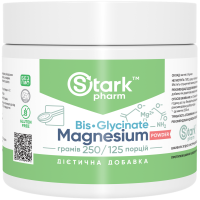
Related Posts
Comments
Information
Customer Service
Extras
My Account


Sports nutrition manufacturer in Ukraine StarkPharm © 2026


