Your shopping cart is empty!

Vitamin D and Magnesium: How Are They Related and Should You Take Them Together?
Published: 12/11/2026
Times Read: 6
Comments : 0
Vitamin D and magnesium are often mentioned together because of a biochemical link: magnesium is involved in the enzyme systems that convert vitamin D in the body. But this does not mean that everyone needs to take two supplements at the same time. Nutrition, magnesium availability, baseline 25(OH)D levels, and individual metabolic characteristics are important.
Scientific publications help to separate three different statements: magnesium is important for normal vitamin D metabolism; its additional intake sometimes changes the concentration of vitamin D metabolites; but the universal clinical benefit of joint administration has not yet been proven. It is in this sequence that it is worth considering the relationship between the two nutrients.
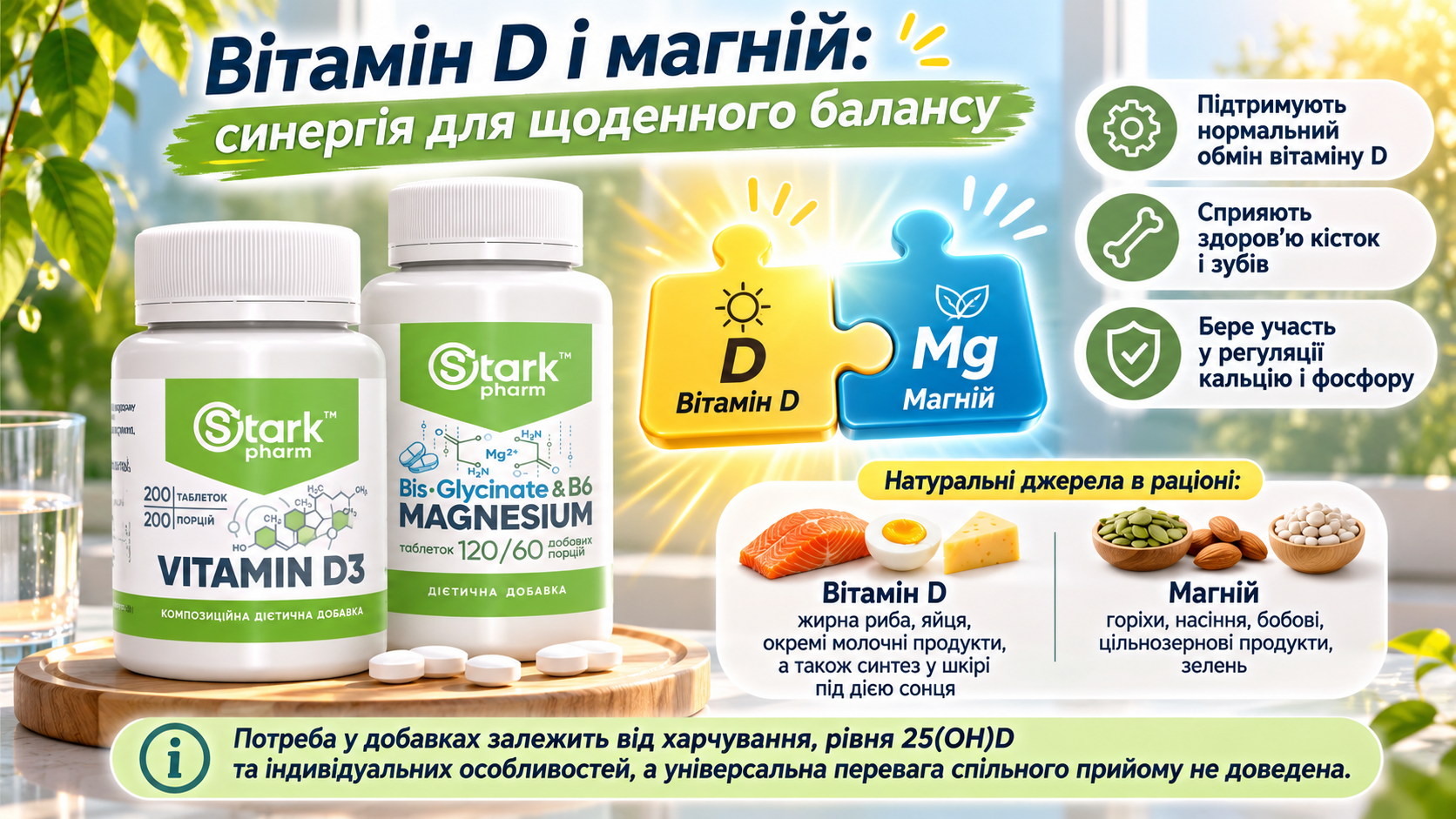
Why vitamin D and magnesium are related: the main things in one table
| Question | What is known | What this does not mean |
|---|---|---|
| Vitamin D metabolism | Magnesium is important for the functioning of enzyme systems associated with vitamin D metabolism. | Magnesium is not a substitute for vitamin D. |
| 25(OH)D level | In some studies, magnesium supplementation changed this indicator, with the result depending on the initial level. | Supplementing magnesium does not always increase 25(OH)D. |
| Joint reception | Some small clinical trials have found differences in laboratory parameters. | It has not been proven that everyone needs a couple of supplements. |
| Sources in the diet | Magnesium comes, in particular, from legumes, seeds, nuts and whole grains; vitamin D comes from certain foods and is formed in the skin under the influence of UVB. | Not every seasonal decline in sunlight means a lack of both nutrients. |
| Safety | Total intake from nutrition and supplements, comorbid conditions, and medications are important. | Combining two nutrients does not automatically make high doses safe. |
How vitamin D changes in the body
Vitamin D3 (cholecalciferol), which is produced in the skin or comes with food, first undergoes transformation in the liver. There it becomes 25-hydroxyvitamin D — 25(OH)D. It is the concentration of this metabolite that is usually determined in the blood when assessing vitamin D status.
Further conversion, mainly in the kidneys, forms the active form - 1,25-dihydroxyvitamin D. This metabolite is involved in the regulation of calcium and phosphorus metabolism. In parallel, the body operates inactivation and excretion systems of metabolites, so the final level of 25(OH)D depends not only on the intake of the substance, but also on its transformations.
According to the NIH Office of Dietary Supplements, vitamin D is fat-soluble: its absorption is affected by the presence of fat in the intestine, although some of the vitamin is absorbed without the simultaneous consumption of fat. This absorption mechanism should not be confused with the subsequent enzymatic conversions in which magnesium is considered to play a role.
What role does magnesium play in vitamin D metabolism?
Magnesium is a mineral involved in numerous enzymatic processes in the body. A review by Uwitonze and Razzaque (2018) considers it an important factor for enzymes related to the activation and metabolism of vitamin D in the liver and kidneys. The biochemical dependence is particularly noticeable in severe magnesium deficiency, when reactions that support normal calcium and vitamin D metabolism may be disrupted.
At the same time, it is necessary to distinguish between sufficient magnesium supply and additional magnesium intake above the requirement. The former is part of normal nutrition and physiology. The latter is a separate intervention, the benefits of which must be verified by research, and not deduced solely from the biochemical scheme.
That is why the popular phrase “without magnesium, vitamin D doesn’t work” is an oversimplification. It is more accurate to say that insufficient magnesium intake can affect vitamin D metabolism, but the consequences of this effect vary from person to person.

What the randomized study by Dai et al. showed
In a randomized trial by Dai et al. (2018) , 180 participants aged 40–85 years were studied. Magnesium doses were adjusted individually based on dietary intake. The study lasted 12 weeks; the mean magnesium supplement in the respective group was approximately 206 mg/day, and the range of doses used was approximately 77–390 mg/day. These figures describe the design of the specific study and not the consumption pattern for the readers.
It turned out that the effect of magnesium on the concentration of individual vitamin D metabolites depended on the initial level of 25(OH)D. At an initial value of about 30 ng/ml, the concentration of 25(OH)D3 in the magnesium group was higher than in the comparison group. At higher initial values, a different picture was observed, up to a decrease in individual metabolites.
This is a fundamental result: magnesium did not work as a universal tool to unconditionally increase 25(OH)D. The authors considered optimal magnesium supply as a possible factor in the regulation of vitamin D metabolism, but cautioned against generalizing the findings to all population groups.
Is there a benefit to combining magnesium and D3 in clinical studies?
Cheung et al. (2022) studied 95 overweight or obese adults. Three groups were compared over 12 weeks: a combination of magnesium and vitamin D, vitamin D alone, and placebo. The protocol used magnesium glycinate and vitamin D3 in amounts determined by the investigators; the doses given in the publication should not be taken as a universal guideline.
The combined intervention group recorded the largest increase in serum 25(OH)D. At the same time, for some of the measured inflammatory markers and parathyroid hormone, no statistically significant differences were found between the groups. That is, the result regarding the laboratory indicator of vitamin D cannot be automatically transferred to all health indicators.
Another publication from this research program, focusing on markers of bone turnover and glucose control, also failed to demonstrate a benefit of the combined intervention on the clinical and biochemical markers studied, again highlighting the distinction between change in 25(OH)D and evidence of broad benefit of the combination.
A 2025 systematic review and meta-analysis pooled nine randomized trials involving 509 overweight or obese people, which included combinations of magnesium with vitamins D or E. The authors found changes in some laboratory parameters, but the mixing of different combinations, small trials, and differences between participants limit the ability to make a general recommendation for the entire population.
Is it necessary to take magnesium with vitamin D?
No, scientific evidence does not establish such a universal rule. A person may have sufficient magnesium intake from their regular diet but need to pay attention to their vitamin D intake; or conversely, have low magnesium intake without a proven need for a separate vitamin D supplement.
It is also important not to confuse “take on the same day” with “swallow at the same time.” Studies of nutrient interactions are mostly focused on their status and metabolism over weeks, rather than the benefits of a specific moment of ingestion.
There is no convincing evidence that vitamin D3 should be taken with magnesium in the same capsule, with the same meal, or at a fixed time interval. The choice depends on individual needs, diet, health characteristics, and the instructions for specific products.
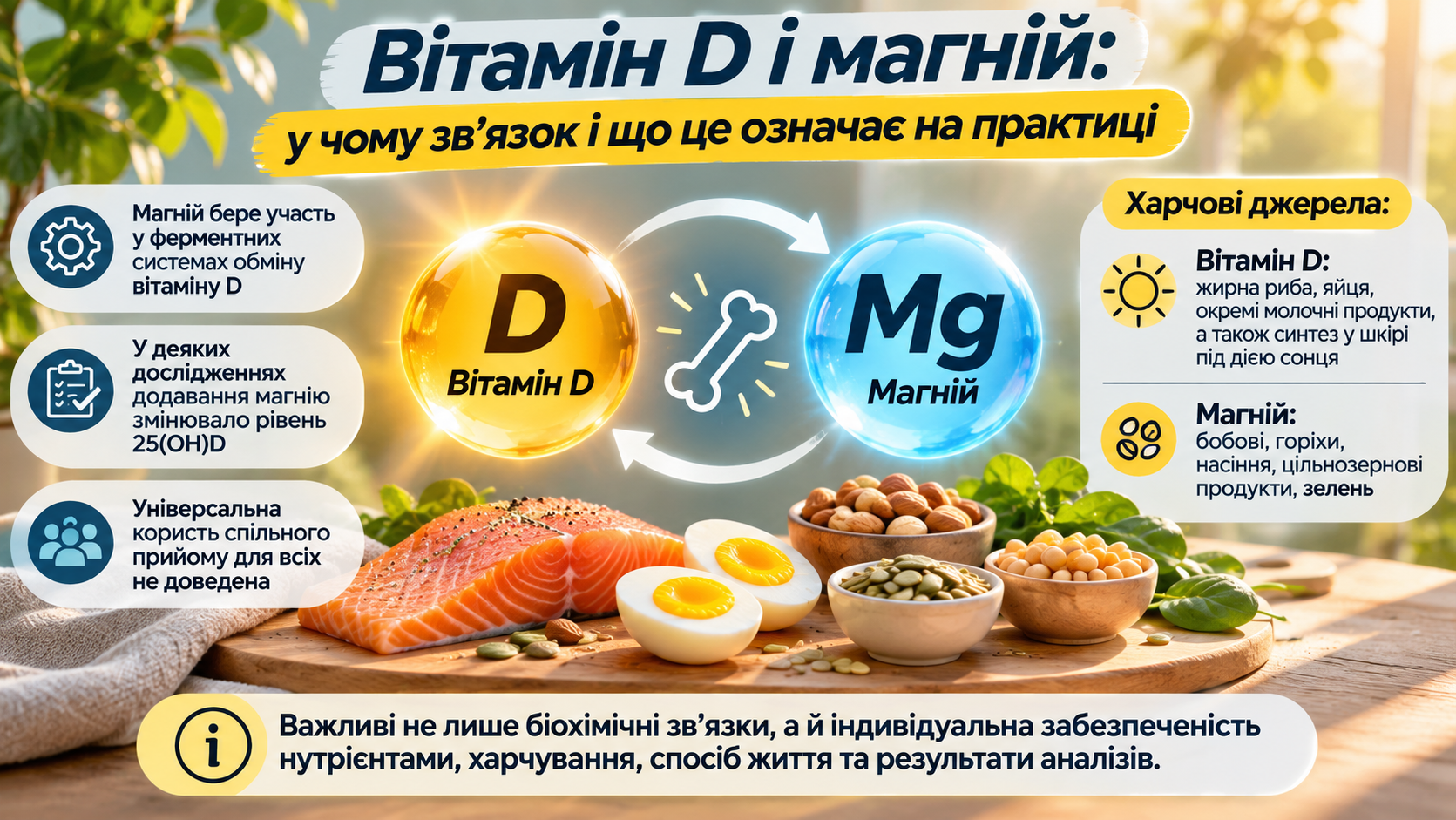
Where to get magnesium and vitamin D from food
Nutrients perform different functions and come from different sources. Magnesium is found primarily in plant foods: legumes, nuts, seeds, whole grains, and green leafy vegetables. Some mineral waters may also contain significant amounts of magnesium, but the composition depends on the source of the water.
There are fewer food sources of vitamin D. These include fatty fish, fish oil, egg yolks, and some fortified foods. In Ukraine, as in other temperate countries, seasonal exposure to sunlight affects the formation of vitamin D in the skin. This does not mean that everyone is magnesium deficient in winter.
A diet with a sufficient amount of various foods is the basic condition for providing magnesium. The need for separate vitamin D intake should be assessed taking into account individual circumstances, not just the calendar month.
Does the form of magnesium affect its relationship with vitamin D?
Magnesium supplements come in a variety of forms: citrate, malate, bisglycinate, oxide, and others. They vary in the amount of elemental magnesium per serving, solubility, and tolerability. However, these differences do not prove that one form “activates vitamin D” better than another.
The study by Cheung et al. used magnesium glycinate, but the researchers did not directly compare multiple forms of magnesium with respect to vitamin D metabolism. Therefore, it would be incorrect to conclude that glycinate is the optimal partner for D3 based on this work. Specific comparative trials are needed to draw such a conclusion.
To understand the label, it is important to look specifically at the amount of elemental magnesium, and not at the total mass of the salt or complex. The question of forms and their content should be considered separately from the topic of interaction with vitamin D.
When to be careful with co-administration
Combining the two nutrients does not eliminate the restrictions that apply to each of them separately. Excessive intake of magnesium from supplements can cause loose stools, nausea, and abdominal discomfort. In case of impaired kidney function, the risks of magnesium accumulation increase, so any additional intake should be coordinated with a doctor.
Vitamin D is fat-soluble and, if consumed in excess, can cause calcium metabolism disorders. You should not independently combine several products with vitamin D, without taking into account the total amount of the substance. Particular caution is required for people with calcium metabolism disorders, kidney diseases, or those who constantly take medications.
Pregnant women, lactating women, children and people with chronic diseases should not rely on research doses obtained in experiments involving other populations. Scientific doses in publications are not instructions for self-administration.
What can be concluded from the available evidence?
Magnesium is physiologically linked to enzyme systems for vitamin D metabolism. Randomized trials confirm that supplemental magnesium intake under certain conditions can alter laboratory vitamin D metabolites, with the effect depending on baseline status and participant characteristics.
However, a lab result does not equal a universal health benefit. There is currently no evidence to suggest that everyone should take magnesium and D3 together, that a particular form of magnesium is necessarily better for D3, or that taking it together at a particular time of day has a proven advantage. The most sound approach is to ensure adequate nutrient intake and assess individual needs without automatically prescribing a combination.

Frequently asked questions
Why is magnesium linked to vitamin D?
Magnesium is involved in enzymatic processes important for vitamin D metabolism in the liver and kidneys. This is a biochemical relationship, not evidence that two supplements are necessary for every person.
Can I take vitamin D without magnesium?
Yes. The need for additional magnesium depends on diet and individual availability, not just on vitamin D intake.
Does magnesium increase vitamin D levels in the blood?
Some studies have observed changes in 25(OH)D, but these were dependent on baseline levels. No consistent increases were found across all participants.
Do I need to take D3 and magnesium at the same time?
There is insufficient evidence to support the benefit of taking the medication at the same time. It is more important to consider the individual's needs, overall intake, and possible drug interactions.
What form of magnesium is best with vitamin D3?
There is no conclusive direct research that would identify one best form of magnesium specifically for D3 metabolism. Forms vary in elemental magnesium content and tolerability.
Can you get enough magnesium from food?
Magnesium is found in legumes, seeds, nuts, whole grains, and green leafy vegetables. For many people, a varied diet is an important source.
Does winter lack of sun mean magnesium deficiency?
No. Sun exposure is associated with the formation of vitamin D in the skin, while magnesium availability mainly depends on nutrition and the characteristics of its metabolism.
Who needs a consultation before a joint appointment?
It is especially important to consult a specialist in case of kidney disease, calcium metabolism disorders, medication, pregnancy, and other conditions that require an individual approach.
Sources
- Dai Q et al. (2018). Magnesium status and supplementation influence vitamin D status and metabolism: results from a randomized trial. American Journal of Clinical Nutrition. PubMed.
- Cheung MM et al. (2022). The effect of combined magnesium and vitamin D supplementation on vitamin D status, systemic inflammation, and blood pressure: A randomized double-blind controlled trial. Nutrition. PubMed.
- Cheung MM et al. (2023). Combined vitamin D and magnesium supplementation does not influence markers of bone turnover or glycemic control: A randomized controlled clinical trial. Nutrition. PubMed.
- Uwitonze AM, Razzaque MS (2018). Role of Magnesium in Vitamin D Activation and Function. Journal of the American Osteopathic Association. PubMed.
- Liu S, Liu Q (2018). Personalized magnesium intervention to improve vitamin D metabolism: applying a systems approach for precision nutrition in large randomized trials of diverse populations. American Journal of Clinical Nutrition. PubMed.
- The effects of magnesium and vitamin D/E co-supplementation on inflammation markers and lipid metabolism of obese/overweight population: a systematic review and meta-analysis (2025). PubMed.
- National Institutes of Health, Office of Dietary Supplements. Vitamin D: Fact Sheet for Health Professionals. NIH ODS.
- National Institutes of Health, Office of Dietary Supplements. Magnesium: Fact Sheet for Health Professionals. NIH ODS.
Dietary supplement. Not a medicine. Consult a doctor before use.
Products related to this post

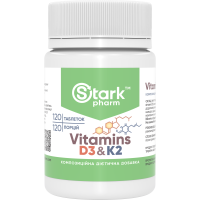
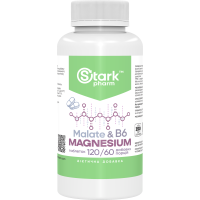

Related Posts
Comments
Information
Customer Service
Extras
My Account


Sports nutrition manufacturer in Ukraine StarkPharm © 2026


