Your shopping cart is empty!

Vitamins for colds: what to expect from supplements and when to see a doctor
Published: 16/11/2026
Times Read: 39
Comments : 0
Vitamins for colds are often sought after the onset of a runny nose, sore throat or cough. At such moments, you want to find a remedy that will help you return to your usual rhythm faster. But it is important not to mix up three different things: sufficient intake of nutrients, measures to alleviate symptoms and medical care according to indications. A dietary supplement cannot automatically perform all these tasks.
The common cold is most often caused by respiratory viruses. The body gradually responds to the infection, and the intensity of symptoms varies over several days. Studies of vitamin C, zinc, and herbal ingredients have yielded mixed results, depending on the form, amount, time of application, and characteristics of the participants. The most important thing is not to waste time on independent experiments if there are signs of complications or a high risk of a severe course.
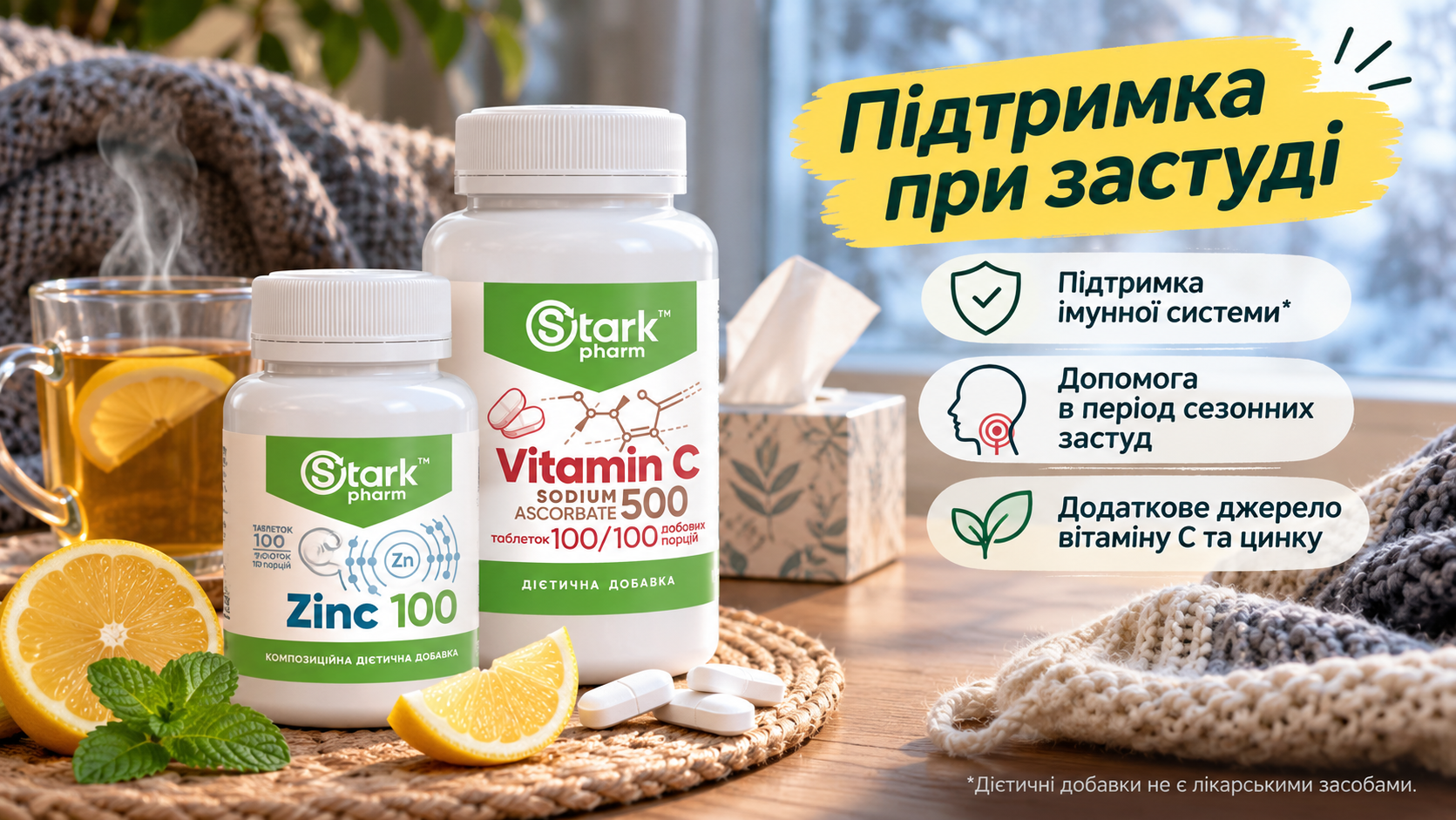
What happens during a common cold
Viruses enter the mucous membranes of the upper respiratory tract, after which the immune system triggers a local reaction. Runny nose, nasal congestion, sore throat, sneezing and coughing are partly related to this reaction of the body. Symptoms can be unpleasant, even when the infection does not require special medical interventions.
According to the CDC, most people with the common cold recover without specific medications. However, the appearance of similar symptoms does not guarantee that it is a cold: the flu and COVID-19 can also begin with a cough, sore throat, or general malaise. Particular attention should be paid to people with chronic diseases and those at increased risk of complications.
The duration of the symptoms varies. In one case, a runny nose predominates at first, in another, a sore throat, and later a cough may appear. The appearance of nasal discharge alone does not allow us to reliably determine whether antibiotics are needed: decisions about them are made based on medical indications, not on the color of the mucus.
Support and medical care: what's the difference?
Nutritional support means getting enough energy, protein, water, vitamins, and minerals from your diet. The importance of these nutrients for a healthy immune system is not equal to the proven ability of any supplement to shorten each cold episode.
Symptomatic measures are aimed at comfort: adequate hydration, rest, moistening of mucous membranes with saline solutions, or other appropriate means of alleviating symptoms. They are not synonymous with eradicating the virus and do not replace medical evaluation for worsening conditions.
Medical attention is required when symptoms are atypical, severe, prolonged, or the person belongs to a high-risk group. Specific antiviral agents may be available for certain respiratory infections, the effectiveness of which depends on the timeliness of initiation. Self-substituting such approaches with supplements can lead to loss of important time.
| Question | Nutritional support | Symptom relief | Medical assistance |
|---|---|---|---|
| Main goal | Provide nutritional needs | Reduce discomfort | Assess status, risks, and need for targeted interventions |
| Examples | Complete nutrition, correction of insufficient intake if necessary | Rest, drinking, mucous membrane care | Examination, testing according to indications, prescribing appropriate care |
| What not to expect | That one supplement will remove a viral infection | That the disappearance of discomfort always means the end of the illness | That antibiotics are needed for every cold |
Do supplements help with colds: how to read research results
Before drawing conclusions from a scientific paper, it is important to clarify five details: who was studied, what substance and form were used, when they started, how long the observation lasted, and what exactly was measured. Reducing the average duration of symptoms does not equal complete prevention of the disease, and the result for lozenges does not automatically transfer to capsules.
Scientific reviews distinguish between the frequency of new episodes, duration of colds, severity of symptoms, and adverse reactions. A positive result on one measure does not confirm benefit on all others. In addition, studies vary in quality and sample size: a small experiment cannot be a sufficient basis for universal recommendations.
The NIH Office of Dietary Supplements review on immune function and infection summarizes data for many nutrients but emphasizes that results depend on baseline status, composition, and study conditions. Therefore, claims such as “supports immunity” should not be taken as clinical evidence of reducing colds.
Vitamin C: The difference between taking it regularly and starting after symptoms
In trials of regular use, the incidence of colds in the general population was not significantly reduced , although the average duration of episodes was somewhat shorter: about 8% in adults and 14% in children. These percentages are averages across studies and not predictions for an individual.
When vitamin C was started after the first symptoms, the review did not find as consistent evidence of benefit. In some groups of people with extreme physical activity, the results on cold frequency varied, but these cannot be extrapolated to all people who work or play sports.
It is also important to note that the research amounts are not intended as a guideline for self-administration. Higher supplemental doses of vitamin C may cause gastrointestinal adverse reactions; requirements should be considered in the context of overall nutrition and individual health.
Zinc: Why lozenges are not equal to regular capsules
Studies of zinc for colds have used a variety of compounds, doses, and methods of administration. Particular attention has been paid to lozenges, which are placed in contact with the mucous membranes of the mouth and throat for a period of time. This method of administration is not the same as swallowing a capsule or tablet, even though both label as zinc.
A Cochrane systematic review published in 2024 included 34 studies involving 8,526 people. No convincing reduction in risk was shown for the frequency of colds. Some trials of zinc after the onset of symptoms have shown a possible reduction in the average duration of an episode by about two days, but the certainty of the evidence was low and the results varied widely between studies.
In addition to the potential outcome, adverse reactions were assessed: unpleasant taste, nausea and other discomfort. The review authors stressed that better quality data are needed to draw firm conclusions about the optimal form, amount and duration of use. Therefore, it cannot be claimed that any zinc supplement provides the same outcome as the specific lozenge studied.
Some nasal zinc preparations have been associated with serious adverse effects, including loss of smell, and should not be compared to oral forms.

Echinacea, beta-glucans, and other popular ingredients
Herbal extracts and ingredients that are positioned to support immune function vary considerably in composition. For echinacea, the type of plant, the part used, the method of extraction, and the amount of active ingredients are important. Studies of different preparations cannot be mechanically combined into a single proof of efficacy.
The NCCIH review found mixed results for echinacea. There is also insufficient data for some other popular approaches, and positive signals from individual trials do not prove that each commercial product changes the duration or severity of a cold. Additionally, potential allergies and drug interactions need to be considered.
Beta-glucans are a heterogeneous group of polysaccharides, with varying sources and structures. Results from a specific product or experimental model cannot be automatically extrapolated to all supplements labeled “beta-glucan.” Clinical context and outcomes that have actually been measured in humans are important.
For these reasons, it is more correct to talk about the possible use of individual ingredients within the diet, rather than about replacing rest, symptomatic care, or timely referral to a specialist.
What to do at home for a common cold
If the condition is mild and there are no alarming signs, it is useful to maintain the usual physiological needs: rest, drink enough fluids, eat according to appetite and take care of comfortable indoor conditions. Saline solutions can be used to relieve nasal congestion; the choice of other methods depends on age, symptoms, concomitant conditions and the recommendations of a doctor or pharmacist.
There is no need to force yourself to train intensely when you are feeling unwell or to take several supplements at once just because they are marketed as “seasonal.” It is also worth being mindful of your surroundings: wash your hands, cover your coughs and sneezes, and take reasonable precautions to reduce the spread of respiratory infections.
Antibiotics do not work against viruses that cause the common cold. Their unnecessary use does not speed up recovery and may have undesirable consequences. If necessary, a medical professional will assess whether there is reason to suspect another condition or complication.
When to see a doctor: symptoms and risk groups
You should not wait for the "vitamins to take effect" if you experience difficulty breathing, pain or constant pressure in the chest, impaired consciousness, signs of significant dehydration, or a sharp deterioration in well-being. Such manifestations may require emergency care. The situation is also alarming when, after initial improvement, the symptoms return more strongly.
Colds, flu, and COVID-19 can share common symptoms. Early evaluation is important for people at increased risk of severe illness, as specific medical care for some infections is most helpful early in the illness. Decisions about testing and follow-up are made based on symptoms and individual risk.
Five mistakes when choosing supplements for colds
- Expect immediate effects. The biological role of the vitamin does not mean that taking it after the first sneeze will quickly eliminate the infection.
- Comparing different forms of the same substance. The results of studies on zinc lozenges cannot be extrapolated to capsules or other forms without verification.
- Combining multiple complexes with repeating ingredients makes it easy to overlook the total additional amount of individual vitamins and minerals.
- Consider the study dose as a personal guideline. The trials use controlled protocols, which are not a recommendation for self-replication.
- Delay medical evaluation. If there are dangerous symptoms or significant risk factors, self-medicating with supplements may distract from necessary action.
A smart choice is based on actual nutrient needs, composition, and tolerability, but does not replace attention to the course of the disease itself.
Conclusions: what to expect from vitamins during a cold
A balanced diet is essential for a healthy immune system, and correcting established nutrient deficiencies is important. However, no vitamin supplement should be considered a universal substitute for medical care. There are some clinical results for vitamin C and zinc, but these are subject to study conditions and do not automatically apply to all supplements.
For a mild common cold, the focus should be on feeling well, resting, and adequately managing symptoms. If the condition is atypical, worsening, or at high risk of complications, the most important step is to seek medical attention promptly.
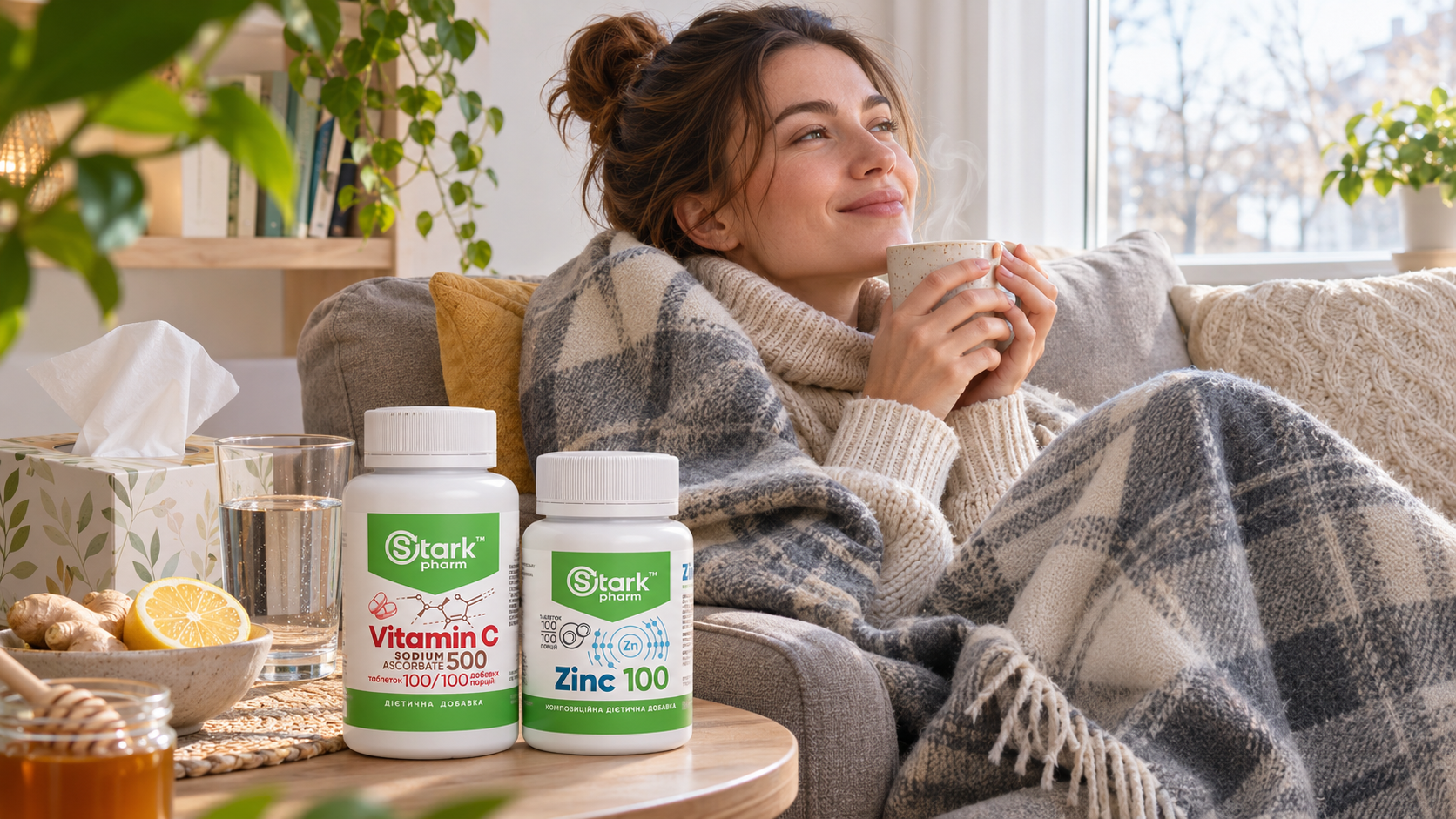
Frequently asked questions
What vitamins should you take when you have a cold?
There is no one-size-fits-all solution. A balanced diet and assessment of individual needs are important, and supplements are not a substitute for appropriate symptom-based care.
Can vitamin C shorten a cold?
Studies of regular use have shown a small average reduction in episode duration. Starting after symptom onset has not shown the same consistent result.
Does zinc help with colds?
A Cochrane review found a possible reduction in duration in some studies, but the certainty of the evidence is low. Results depend on the form and conditions of use.
Can zinc lozenges be replaced with regular capsules?
Scientific results for lozenges do not prove the same effect as capsules. These are different methods of administration.
Are antibiotics needed for the common cold?
Antibiotics do not work against common cold viruses. The need for them in other circumstances is determined by a doctor.
Does echinacea help everyone with a cold?
The data is heterogeneous, and the preparations vary by plant species and composition. A universal effect has not been confirmed.
What's more important when you have a cold: supplements or rest?
Rest, adequate hydration, and symptom management remain the cornerstones of self-care for mild cases. Supplements are not a substitute for these measures.
How to distinguish a cold from the flu or COVID-19?
Initial symptoms may be similar. At risk of severe disease or severe symptoms, medical evaluation and testing are required as indicated.
When should you seek urgent help for a cold?
If you experience difficulty breathing, chest pain, loss of consciousness, or a sudden deterioration in your condition, seek emergency care.
Sources
- Hemilä H, Chalker E. (2013). Vitamin C for preventing and treating the common cold. Cochrane Database of Systematic Reviews. PubMed.
- Nault D, Machingo TA, Shipper AG, et al. (2024). Zinc for prevention and treatment of the common cold. Cochrane Database of Systematic Reviews. DOI.
- Allan GM, Arroll B. (2014). Prevention and treatment of the common cold: making sense of the evidence. Canadian Medical Association Journal. PMC.
- Centers for Disease Control and Prevention. Manage Common Cold. CDC.
- Centers for Disease Control and Prevention. Signs and Symptoms of Flu. CDC.
- National Institutes of Health, Office of Dietary Supplements. Dietary Supplements for Immune Function and Infectious Diseases: Fact Sheet for Health Professionals. NIH ODS.
- National Institutes of Health, Office of Dietary Supplements. Vitamin C: Fact Sheet for Health Professionals. NIH ODS.
- National Center for Complementary and Integrative Health. Colds, Flu, and Complementary Health Approaches: Usefulness and Safety. NCCIH.
Dietary supplement. Not a medicine. Consult a doctor before use.
Products related to this post


Related Posts
Comments
Information
Customer Service
Extras
My Account


Sports nutrition manufacturer in Ukraine StarkPharm © 2026


