Your shopping cart is empty!

Zinc and colds: do lozenges help and how do they differ from capsules?
Published: 14/11/2026
Times Read: 21
Comments : 0
Zinc has been studied for decades for treating colds, but clinical trial results cannot be reduced to a simple advice: “Take zinc and your cold will go away faster.” In some trials, zinc lozenges were associated with shorter duration of symptoms, while in others, there was no significant difference compared to placebo. The form, amount of elemental zinc, composition of the lozenge, time of administration, and method of assessment were all important.
A large 2024 Cochrane review pooled data from 34 studies. Its cautious conclusion was that zinc may reduce the duration of an existing cold, but the certainty of the evidence is low, and there is no strong evidence that regular use reduces the risk of getting a cold. It is particularly important not to extrapolate the results of experiments with lozenges to regular capsules or tablets without appropriate studies.

What the 2024 Cochrane review showed
A systematic review by Nault et al. (2024) analyzed 34 studies reported in 32 publications. They compared zinc with placebo for the prevention of colds or after the onset of symptoms. The study protocols varied considerably, using lozenges, tablets, capsules, syrups, powders, and intranasal formulations.
In eight studies involving 972 people, the average duration of colds in zinc groups was about 2.37 days shorter than in placebo groups (95% confidence interval: 0.53 to 4.21 days). This is the result of statistical pooling of studies, not a prediction for each person. Confidence in this result is low, partly because of the considerable heterogeneity: the I² statistic was 97%.
In nine trials with 1449 participants, evidence for prevention of colds showed no convincing difference between zinc and placebo (relative risk 0.93; 95% confidence interval 0.85–1.01). The evidence for symptom severity was also uncertain. However, the risk of non-serious adverse events was higher in zinc trials than in placebo groups.
A larger review by Hunter et al. (2021) on acute viral respiratory infections in adults also found signals of possible benefit across individual endpoints. However, the authors noted methodological limitations and heterogeneity across trials. Therefore, it is appropriate to discuss potential effects in specific trial settings rather than making generalizations about any zinc drug or supplement.
Lozenges, capsules and tablets: why they are not the same
Lozenges dissolve slowly in the mouth, whereas capsules are usually swallowed. Clinical studies with lozenges have investigated specific salt forms and formulations that release zinc ions during resorption. This is one hypothesis why the results of lozenge trials should not be mechanically equated to taking the same amount of zinc in a capsule.
In the review by Nault et al. (2024), 17 of the 34 studies studied lozenges, the others studied different formulations, including only one study of capsules. Comparisons of lozenges versus capsules under appropriate controlled conditions are still limited.
| Form | Application feature | What this means for evidence assessment |
|---|---|---|
| Lozenges | Dissolve slowly in the mouth. | Some lozenges have been the subject of the most research on colds; results vary depending on the formulation and dosage. |
| Capsules | Swallowed, the contents are released into the digestive tract. | The findings of lozenge studies cannot be automatically transferred to them. |
| Regular pills | They are mainly swallowed unless the instructions state otherwise. | An equivalent amount of zinc does not guarantee an equivalent effect. |
| Nasal forms | They enter directly into the nasal cavity. | A separate category with specific risks; it should not be equated with oral forms. |
So, the statement "zinc was studied for colds" still does not answer the question of which form was studied. To evaluate a particular experiment, data on the zinc salt, the amount of elemental zinc, and the composition of the finished lozenge are needed.
Zinc acetate and gluconate: is there a difference?
Zinc acetate and zinc gluconate are the most commonly mentioned lozenge trials. Different salts have different physicochemical properties, and lozenge composition may affect ion release. However, this theoretical difference does not yet prove the clinical superiority of a particular salt.
A meta-analysis by Hemilä (2017) combined seven randomized trials with 575 participants using zinc acetate or gluconate lozenges and daily doses of elemental zinc greater than 75 mg. In the pooled studies, the duration of colds was reduced, but the author found no statistically significant difference between acetate and gluconate.
This is an important finding for form comparisons: the popular thesis that “acetate is always better than gluconate” does not correspond to the available clinical evidence. Hemilä (2016) and Hemilä, Fitzgerald, Petrus, and Prasad (2017) analyzed individual participant data from three trials of zinc acetate lozenges, but these results do not prove that other forms are inherently ineffective. Turner et al. (2000) compared several formulations of zinc gluconate and acetate lozenges, further emphasizing the protocol-specific nature of the outcome.
Why the amount of elemental zinc matters
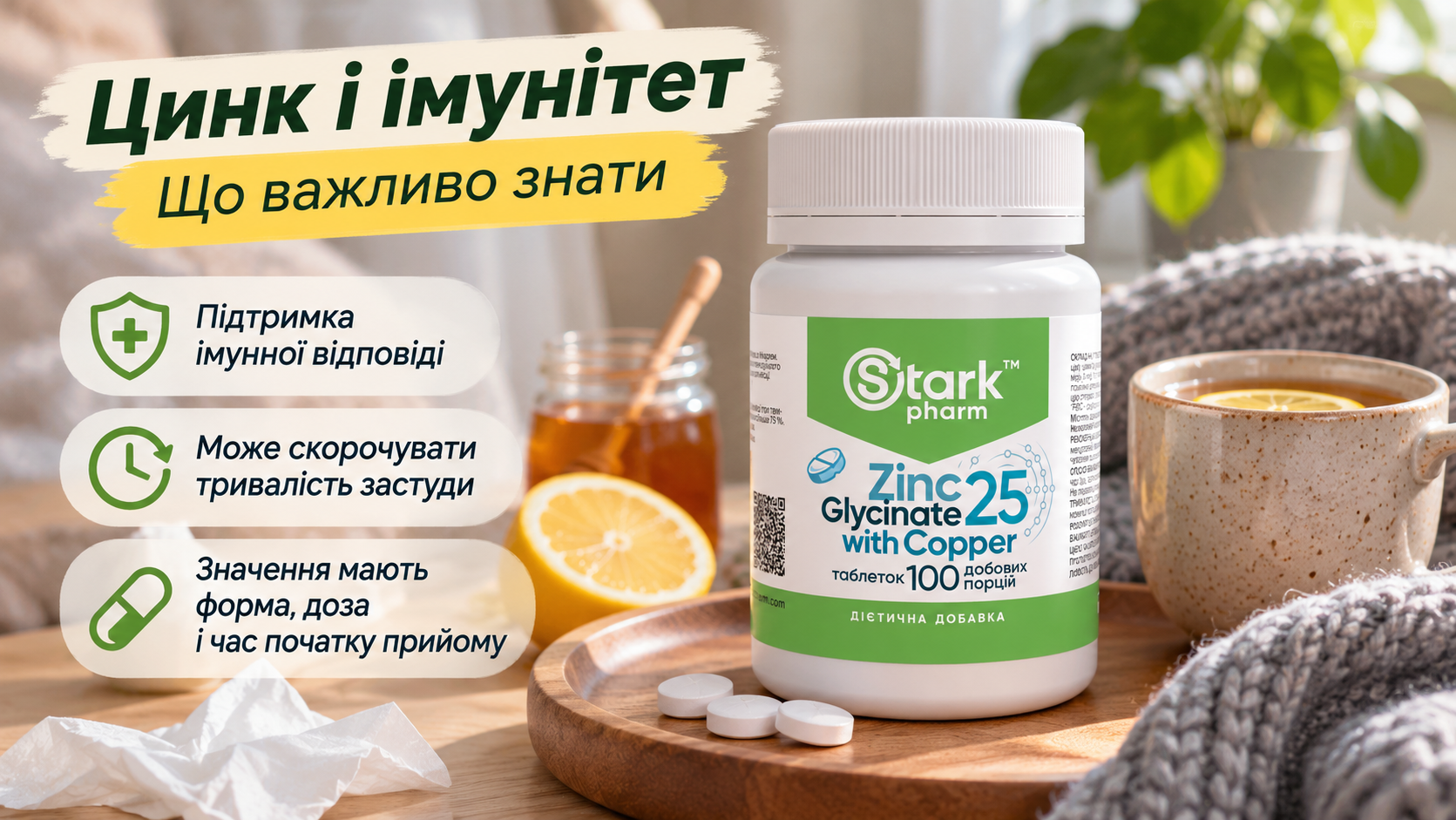
The label "zinc 50 mg" can be confusing if it is not known whether the mass of the salt or the amount of elemental zinc is being referred to. Studies usually compare elemental zinc—the amount of the chemical element Zn—rather than the total mass of the gluconate or acetate. In addition, the total daily amount depends on the number of lozenges prescribed by the protocol.
The figures below are only parameters of published experiments. They are not a recommendation for self-administration, particularly because some of the research amounts exceed the upper safe levels of normal daily zinc intake.
| Research | Form and quantity in the protocol | Result |
|---|---|---|
| Hemilä (2017), meta-analysis | Seven trials of lozenges, over 75 mg elemental zinc per day; doses from 80 to 207 mg. | Overall, a reduction in the duration of the cold was observed; no convincing advantage of acetate over gluconate was found. |
| Hemilä et al. (2017), individual data | Three trials of acetate lozenges, 80–92 mg/day; 199 participants. | The zinc groups showed faster recovery in individual indicators. |
| Hemilä et al. (2020), RCT | The lozenge contained 13 mg; six lozenges per day, totaling 78 mg, for no longer than five days. | There was no statistically significant improvement in recovery rate in this trial. |
| Nault et al. (2024), Cochrane | Various forms and protocols; gluconate lozenge trials have used 45–276 mg/day. | Possible moderate reduction in cold duration, but low certainty in evidence. |
Hemilä’s work (2011, 2015, 2017) often analyzed subgroups with high study doses. This is interesting from a scientific point of view, but does not confirm the benefit of high doses for everyone and does not eliminate the safety issue. There is no reason to believe that increasing zinc intake automatically improves outcome.
When did the use of lozenges in clinical trials begin?
In a number of experiments, participants started using lozenges shortly after symptom onset. For example, in Prasad et al. (2008), participants were enrolled within 24 hours of symptom onset and studied acetate lozenges in a randomized protocol. Previously, Mossad et al. (1996) studied gluconate lozenges in a placebo-controlled trial.
However, a conclusion of “earlier is definitely better” would be stronger than the available evidence. Trials varied in inclusion criteria, lozenge composition, and duration of follow-up. Notably, in the Hemilä et al. (2020) study, participants were given the option to start the protocol quickly after symptom onset, but did not experience any benefit in terms of speed of recovery.
The timing of initiation is a characteristic of the clinical trial design and does not provide a basis for converting the published dose and frequency of administration into a universal self-administration regimen.
Why zinc research on colds is conflicting
At first glance, the results seem paradoxical: some early trials and meta-analyses recorded a significant reduction in colds, while a 2020 randomized study failed to confirm a benefit. There may be several reasons.
- Different forms of zinc. Lozenges, syrups, tablets, and capsules are not interchangeable in terms of how they are used.
- Different lozenge formulations. Composition, excipients, and dissolution may affect ion availability; this has not always been studied to the same extent.
- Different amounts of elemental zinc. Daily doses and number of lozenges varied significantly across protocols.
- Varied onset of use. Not all trials enrolled participants at the same time from symptom onset.
- Different endpoints: Duration of symptoms, speed of recovery, overall severity, and proportion of people with cold symptoms are not the same.
- Small samples and risk of bias: Many trials had limited numbers of participants, and the unpleasant taste of the lozenges may have made blinding difficult.
This is why the current Cochrane review rates the certainty of the evidence as low or very low for many key outcomes. The overall average reduction in colds does not mean that every zinc formula works the same.
Can zinc prevent colds?
Zinc is important for the proper functioning of the immune system, but this is a separate issue from whether supplemental zinc reduces the likelihood of a new cold in a person without an established deficiency. The NIH Office of Dietary Supplements describes zinc's role in immune processes, protein synthesis, cell division, and other bodily functions. The existence of such a physiological role is not evidence that a particular supplement is effective against the common cold.
In the prevention arm of the review by Nault et al. (2024), the difference between zinc and placebo was inconclusive. This means that the available data do not allow a firm conclusion to be drawn about a reduction in the incidence of common colds due to regular zinc supplementation.
Safety: What you need to know about excess zinc
Zinc is needed by the body in small amounts, but excessive intake is not inherently safe. Possible side effects of oral forms include nausea, abdominal discomfort, bad taste, and vomiting. In a 2024 Cochrane systematic review, non-serious adverse events were observed more frequently in zinc groups than in placebo groups.
Long-term excessive zinc intake can impair copper absorption and lead to copper deficiency. The NIH ODS also notes the potential for zinc supplements to interact with certain antibiotics and other medications. People who take regular medications, have chronic medical conditions, or are pregnant or breastfeeding should discuss the use of supplements with their doctor.
Special caution is required with intranasal zinc products: serious problems with smell have been described with some of these products. The study of lozenges does not support the use of nasal formulations.
The amounts of zinc reported in clinical trials are provided for the sake of understanding the scientific literature. High-dose protocols should not be repeated on your own. If you suspect insufficient zinc intake, it is advisable to evaluate your diet and possible risk factors with a specialist.

Conclusion: What evidence can be relied on?
Current reviews suggest that some forms of zinc studied may reduce the duration of colds, but the results are mixed and do not provide a one-size-fits-all answer for all lozenges, capsules, or tablets. The evidence for regular use of zinc specifically to reduce the frequency of colds is particularly weak.
When comparing scientific studies, you need to look at four things: form, amount of elemental zinc, duration and timing of the study protocol. And separately, safety. The name of the salt on the label and a high number in milligrams do not by themselves prove any benefit or advantage over another form.
Frequently asked questions
Does zinc help with colds?
A 2024 Cochrane review suggests a reduction in the duration of a cold by an average of about two days in some studies, but the confidence in this conclusion is low.
What is better for a cold: zinc lozenges or capsules?
Most of the studies with positive results have involved specific lozenges. It is not correct to extrapolate these results to regular capsules without separate studies.
Does zinc acetate or gluconate have better evidence?
Both salts have been studied in lozenges. A 2017 meta-analysis found no convincing difference between them in terms of their effect on the duration of a cold.
What is elemental zinc?
This is the amount of actual zinc Zn in the compound. It is different from the total mass of a salt, such as gluconate or acetate.
Why do studies mention 75–92 mg of zinc?
These are parameters of individual high-dose trials of lozenges, not recommendations for everyday use. Such amounts require special attention to safety.
Does zinc prevent colds?
No convincing reduction in the risk of colds was found in prevention studies from a 2024 Cochrane review.
Why do zinc test results vary?
Different formulations, doses, forms, and endpoints have been studied. Due to significant heterogeneity, overall results should be interpreted with caution.
Can you take large doses of zinc for a long time?
Excessive long-term consumption may cause side effects and disrupt copper metabolism. High-dose test protocols should not be repeated on your own.
Are zinc nasal sprays safe?
Some intranasal zinc products have been associated with impaired sense of smell. Data on lozenges do not support the safety of nasal formulations.
Sources
- Nault D et al. (2024). Zinc for Prevention and Treatment of the Common Cold. Cochrane Database of Systematic Reviews. PubMed.
- Hunter J et al. (2021). Zinc for the Prevention or Treatment of Acute Viral Respiratory Tract Infections in Adults: A Rapid Systematic Review and Meta-Analysis of Randomized Controlled Trials. BMJ Open. PubMed.
- Hemilä H. (2017). Zinc Lozenges and the Common Cold: A Meta-Analysis Comparing Zinc Acetate and Zinc Gluconate, and the Role of Zinc Dosage. JRSM Open. PubMed.
- Hemilä H et al. (2017). Zinc Acetate Lozenges May Improve the Recovery Rate of Common Cold Patients: An Individual Patient Data Meta-Analysis. Open Forum Infectious Diseases. PubMed.
- Hemilä H et al. (2020). Zinc Acetate Lozenges for the Treatment of the Common Cold: A Randomized Controlled Trial. BMJ Open. PubMed.
- Hemilä H. (2011). Zinc Lozenges May Shorten the Duration of Colds: A Systematic Review. Open Respiratory Medicine Journal. PubMed.
- Hemilä H. (2015). The Effectiveness of High Dose Zinc Acetate Lozenges on Various Common Cold Symptoms: A Meta-Analysis. BMC Family Practice. PubMed.
- Prasad AS et al. (2008). Duration and Severity of Symptoms and Levels of Plasma Interleukin-1 Receptor Antagonist, Soluble Tumor Necrosis Factor Receptor, and Adhesion Molecules in Patients With Common Cold Treated With Zinc Acetate. Journal of Infectious Diseases. PubMed.
- Mossad SB et al. (1996). Zinc Gluconate Lozenges for Treating the Common Cold: A Randomized, Double-Blind, Placebo-Controlled Study. Annals of Internal Medicine. PubMed.
- Turner RB et al. (2000). Effect of Treatment With Zinc Gluconate or Zinc Acetate on Experimental and Natural Colds. Clinical Infectious Diseases. PubMed.
- Hemilä H. (2016). Zinc Acetate Lozenges for Treating the Common Cold: An Individual Patient Data Meta-Analysis. British Journal of Clinical Pharmacology. PubMed.
- National Institutes of Health, Office of Dietary Supplements. Zinc: Fact Sheet for Health Professionals. NIH ODS.
Products related to this post
Related Posts
Comments
Information
Customer Service
Extras
My Account


Sports nutrition manufacturer in Ukraine StarkPharm © 2026


