Your shopping cart is empty!

Immunity Supplements in Fall and Winter: What Science Says
Published: 11/11/2026
Times Read: 17
Comments : 0
Fall and winter immune system supplements are often chosen based on the name of the ingredient—vitamin D, vitamin C, zinc, selenium, beta-glucan, or echinacea. However, there is a fundamental difference between the need for a nutrient for normal immune function and the evidence that supplemental intake reduces seasonal colds. Having a permitted claim about immune system function does not mean proven protection against influenza, SARS, or other infections.
This review compares six popular ingredients based on three questions: what physiological role they play, what randomized trials have actually shown, and when it is appropriate to consider dietary intake. This is a review of the evidence, not a dietary supplement regimen for illness.

Why “boosting immunity” is an inaccurate goal
The immune system is not the only indicator that can be constantly improved. It consists of barrier mechanisms, innate and adaptive response cells, and numerous signaling processes. Excessive immune response can also be undesirable. Therefore, it is more correct to talk about the normal functioning of the immune system and about providing the body with the necessary nutrients.
Data from the NIH Office of Dietary Supplements suggest that inadequate intake of certain micronutrients is associated with impaired immune function. However, in individuals without deficiencies, supplemental intake of vitamins and minerals does not necessarily alter the risk of a particular infection. For this reason, functional claims and clinical outcomes are discussed separately in this article.
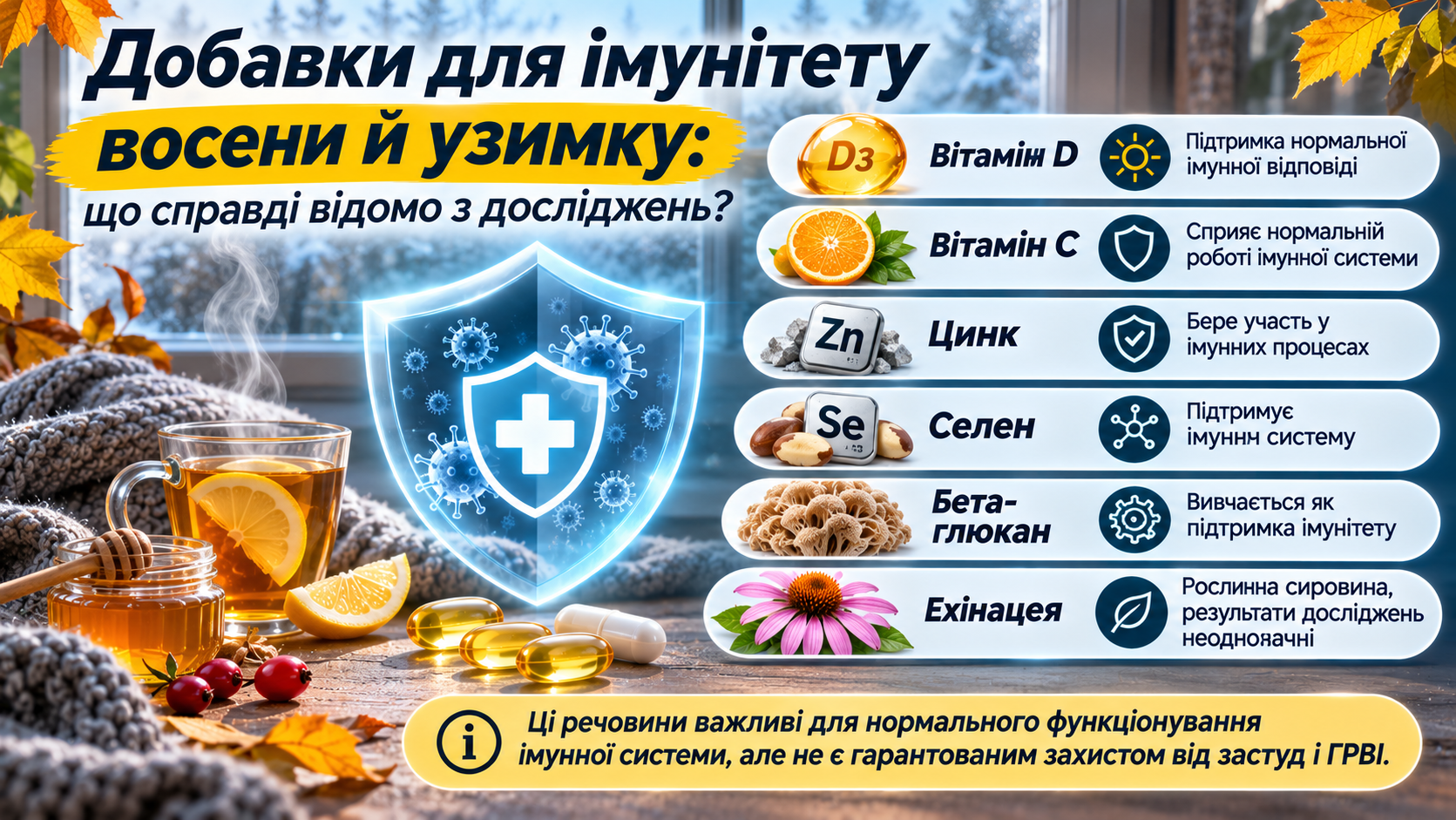
Six ingredients: function and data on seasonal infections
| Substance | Claims about normal immune system function | What studies on colds have shown | When the income is especially important |
|---|---|---|---|
| Vitamin D | Yes, there is a corresponding permitted functional claim for vitamin D. | In a new large meta-analysis, the overall result for acute respiratory infections did not reach statistical significance | With low dietary intake and limited exposure to sunlight |
| Vitamin C | Yes | Regular consumption in studies has not produced a convincing reduction in the frequency of colds in the general population, but has been associated with a small reduction in their duration. | With a monotonous diet with few vegetables and fruits |
| Zinc | Yes | A Cochrane review suggests a possible reduction in the duration of an existing cold, but the certainty of the evidence is mostly low; this is not a universal result for all forms | Due to limited consumption of animal products, malabsorption |
| Selenium | Yes | Its necessity for normal immune processes does not imply a proven benefit of additional doses against the common cold. | Due to insufficient intake with food, which depends in particular on the composition of the diet |
| Yeast beta-glucan | Does not equate to the standard claim for the named vitamins and minerals | Meta-analysis of small trials reported encouraging results, but heterogeneity of studies limits conclusions | Not an essential micronutrient like vitamin C or zinc |
| Echinacea | The standard claim for vitamins and minerals should not be attributed | Cochrane review found no convincing clinical benefit for treating colds; results for individual drugs vary | This is a plant-based raw material, not a necessary component of a complete diet. |
For vitamins D and C, zinc and selenium, eligibility for a functional claim is dependent on the nutrient content requirements being met in the product. The table does not constitute permission to extrapolate the findings of clinical trials to any specific supplement.
Vitamin D in winter: need and clinical outcome are not the same thing
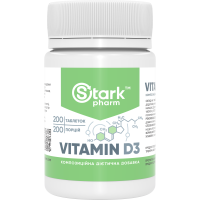
Vitamin D is involved in normal immune response processes. In Ukraine, in the fall and winter, vitamin D synthesis in the skin may be limited due to low sun altitude and reduced time outdoors. This raises questions about dietary sources, individual risk factors for deficiency, and the rationale for supplemental intake.
Studies of the effects of vitamin D supplementation on respiratory infections have yielded mixed results. A meta-analysis by Jolliffe et al. (2021) found a small overall reduction in the proportion of people with acute respiratory infections, but an updated analysis by Jolliffe et al. (2025), which pooled data from dozens of trials, found no statistically significant overall difference compared to placebo. Thus, maintaining adequate vitamin D intake is a separate issue, and the promise of protection against colds is an unwarranted generalization.
More details on seasonal factors and latitude can be found in a separate article on vitamin D in winter in Ukraine; this review does not duplicate its calculations and explanations of solar radiation.
Vitamin C is required for a number of normal processes, including the function of immune cells. In a systematic review by Hemilä and Chalker (2013), regular vitamin C intake did not have a convincing effect on the number of colds in the general population. However, in trials of regular intake, the average duration of episodes was somewhat shorter: by about 8% in adults and 14% in children. This is an average result from the studies, and not a prediction for a specific person.
In the subgroup of people with short-term very intense physical exertion in special conditions, the effect on the frequency of colds was more noticeable. It is incorrect to transfer this conclusion to all residents of Ukraine or to any supplement. Starting the intake after the onset of symptoms in the same reviews did not show a consistent result.
Zinc: why form, method of application and context of testing are important
Zinc is needed for the normal development and function of immune cells. However, clinical trials of the common cold have often evaluated specific dosage forms and routes of administration, such as lozenges, which are different from regular capsules. Comparing only the number of milligrams without considering the dosage form does not replicate the conditions of the study.
In a Cochrane review by Nault et al. (2024), zinc supplementation had an uncertain effect on the likelihood of catching a cold, although some evidence suggested a reduction in the duration of an existing cold. The authors highlighted the considerable heterogeneity of regimens and outcomes, as well as the increased incidence of non-serious adverse events. This is not a reason to use high doses of zinc on its own: excessive, prolonged intake may impair copper availability.
Selenium: an essential trace element, but not a universal seasonal remedy
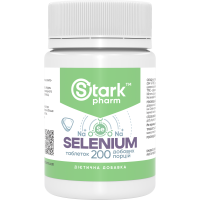
Selenium is a component of selenoproteins, which are involved in protecting cells from oxidative stress and other physiological processes. Its insufficient intake may affect immune responses, but this does not mean that additional selenium in a person with sufficient intake reduces the incidence of acute respiratory viral infections.
It is worth considering the total amount of selenium from food and all complexes. Excess over a long period of time is associated with undesirable consequences, in particular for the skin, hair and nails. The form of the substance and its absorption is a separate topic that does not need to be repeated in the seasonal review.
Beta-glucan and echinacea: what you can and can't learn from the research
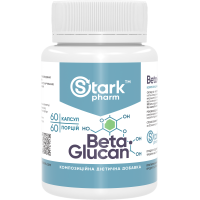
Beta-glucans are a heterogeneous group of polysaccharides. Yeast beta-glucans with a specific structure should not be mechanistically equated with oat dietary fiber. In a meta-analysis of 13 randomized trials of yeast beta-glucans (2021), the authors reported favorable results on some measures of upper respiratory tract infections, but emphasized the heterogeneity of the trials and the need for better quality studies. Conclusions about a specific product cannot be drawn from these data without confirmation of the identity of the raw materials.
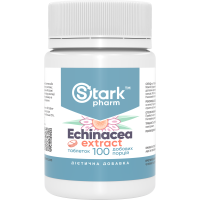
Echinacea is the name of a group of plants, not a standardized single active ingredient. The type of plant, the part used, and the method of extraction all change the composition of the product. A Cochrane review by Karsch-Völk et al. (2014) found no convincing evidence of clinically meaningful benefit for treating the common cold; individual results were mixed for prevention. Therefore, the possible effect of one extract cannot be extrapolated to all echinacea products.
Who is more important to check for nutrient adequacy?
The feasibility of assessing the diet does not depend on the calendar month as such, but on specific conditions: monotonous nutrition, restrictive diets, malabsorption, some chronic diseases, age and other factors. For vitamin D, the characteristics of solar radiation are added; for zinc, the proportion of plant sources with phytates; for vitamin C, the regularity of fruit and vegetable consumption; for selenium, the composition of food products.
Symptoms such as fatigue, frequent illnesses, or weakness are nonspecific and do not indicate a deficiency of a specific nutrient. The need for testing and supplemental intake should be determined with a specialist, without replacing a health assessment with experiments with multiple supplements at the same time.
What really matters during SARS season
- Complete nutrition: A variety of foods helps meet protein, vitamin, and mineral needs without automatically increasing the amount of supplements.
- Sleep and rest: A regular routine is important for overall well-being and normal physiological processes.
- Movement: vigorous activity is good for health; excessive exertion leading to exhaustion requires correction.
- Vaccination: a doctor provides specific recommendations for seasonal infections; no dietary supplement replaces vaccination.
- Hygiene and ventilation: Attention to ventilation and contact with sick people is of practical importance regardless of taking supplements.
- Medical attention: Severe symptoms, worsening breathing, or prolonged deterioration require professional evaluation, not just the next complex.

Check not only the ingredient name on the front of the package, but also the amount of the substance in the recommended daily serving, the composition of the complex, warnings and possible duplication of the same nutrient in other supplements. This is especially true for products that simultaneously contain zinc, selenium, vitamins C and D: the amount of intake may differ from what is stated on one label.
In herbal ingredients, the species, part used, type of extract, and individual sensitivity are important. When taking medications, during pregnancy and lactation, for children, and in the presence of chronic conditions, a separate safety assessment is required. Increasing doses at your own discretion does not make the results of the studies more reliable.
Frequently asked questions
What supplements are needed for immunity in winter?
There is no universal list. First of all, it is important to assess your diet, the risks of insufficient intake of nutrients, and your own health.
Does vitamin D protect against colds?
Vitamin D is needed for normal immune system function, but an updated 2025 meta-analysis did not confirm a statistically significant overall reduction in the risk of acute respiratory infections from supplemental intake.
Does vitamin C help you not get sick?
In most studies in the general population, regular consumption has not shown a convincing difference in the frequency of colds. Some studies have found a small reduction in the duration of the episode.
Are zinc capsules and lozenges the same in cold research?
No. The method of administration and chemical form are different, so test results from one form cannot be automatically transferred to the other.
Should I combine vitamin C, D, zinc and selenium?
The fact of combining does not prove additional benefit against infections. It is important to consider the diet, the composition of each supplement, and the total intake of substances.
How is beta-glucan different from vitamins?
It is a polysaccharide, not an essential vitamin. There are clinical studies for individual yeast preparations, but they cannot be generalized to any beta-glucan.
Is echinacea proven to be beneficial for colds?
The data are conflicting and depend on the specific extract. Systematic reviews do not provide any reason to promise consistent clinical results.
Can I compensate for sleep deprivation with an immunity complex?
No. The supplement does not replace adequate sleep, adequate nutrition, and other components of a healthy regimen.
Sources
- National Institutes of Health, Office of Dietary Supplements. Dietary Supplements for Immune Function and Infectious Diseases: Fact Sheet for Health Professionals. NIH ODS.
- National Institutes of Health, Office of Dietary Supplements. Zinc: Fact Sheet for Health Professionals. NIH ODS.
- National Institutes of Health, Office of Dietary Supplements. Selenium: Fact Sheet for Health Professionals. NIH ODS.
- Jolliffe DA et al. (2025). Vitamin D supplementation to prevent acute respiratory infections: systematic review and meta-analysis of stratified aggregate data. The Lancet Diabetes & Endocrinology. PubMed.
- Jolliffe DA et al. (2021). Vitamin D supplementation to prevent acute respiratory infections: a systematic review and meta-analysis of aggregate data from randomized controlled trials. The Lancet Diabetes & Endocrinology. PubMed.
- Hemilä H, Chalker E (2013). Vitamin C for preventing and treating the common cold. Cochrane Database of Systematic Reviews. PubMed.
- Nault D et al. (2024). Zinc for prevention and treatment of the common cold. Cochrane Database of Systematic Reviews. DOI.
- Effects of yeast β-glucans for the prevention and treatment of upper respiratory tract infection in healthy subjects: a systematic review and meta-analysis (2021). European Journal of Nutrition. PubMed.
- Karsch-Völk M et al. (2014). Echinacea for preventing and treating the common cold. Cochrane Database of Systematic Reviews. PubMed.
Dietary supplement. Not a medicine. Consult a doctor before use.
Products related to this post


Comments
Information
Customer Service
Extras
My Account


Sports nutrition manufacturer in Ukraine StarkPharm © 2026


