Your shopping cart is empty!

What helps with a hangover: water, sleep, electrolytes or supplements?
Published: 22/11/2026
Times Read: 36
Comments : 0
A hangover after drinking alcohol can be accompanied by thirst, weakness, headache, nausea, sensitivity to light, irritability, and impaired concentration. When a person searches for hangover relief, electrolytes, B vitamins, ginger, NAC, or milk thistle extract are often suggested. However, the popularity of these ingredients does not mean that their benefits in these circumstances have been proven in high-quality clinical trials.
It is important to distinguish between three tasks: restoring comfort after fluid loss, allowing the body to rest, and assessing whether there is evidence for individual remedies. Water, food, and sleep may be appropriate supportive measures, but none of them will universally speed up the elimination of alcohol or reverse its effects on the body. If the condition is severe, it should not be attributed solely to a hangover.
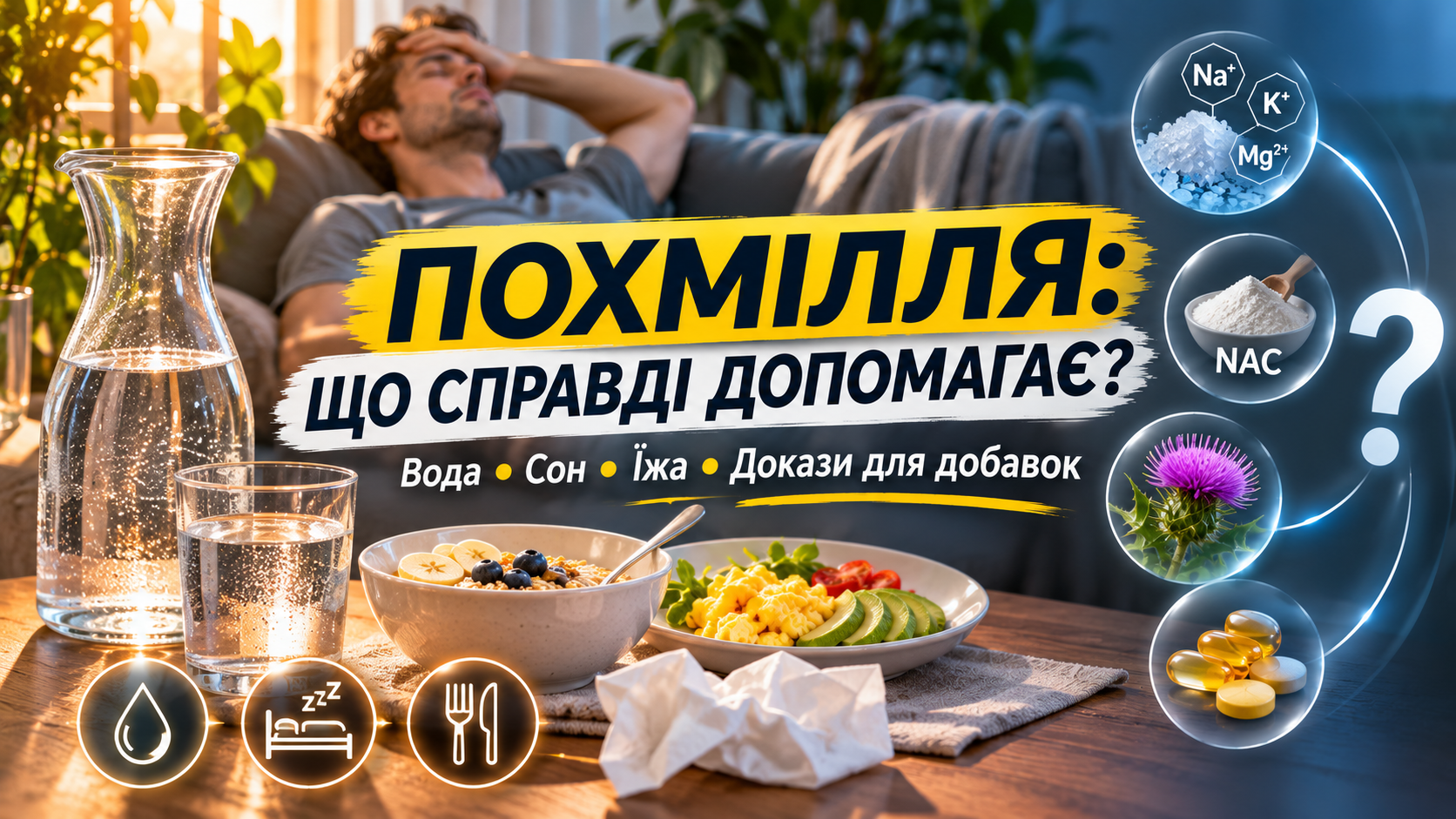
Hangover: what processes occur after alcohol
Ethanol affects different systems simultaneously. After its consumption, urine output, sleep quality, digestive system function, vascular responses and inflammatory signals can change. In the liver, alcohol is converted to acetaldehyde and then to acetate. But it would be wrong to explain all the manifestations only by acetaldehyde: the severity of symptoms is influenced by the amount of alcohol consumed, the speed of consumption, food, sleep, individual factors and concomitant conditions.
According to the National Institute on Alcohol Abuse and Alcoholism, alcohol can cause urination and mild dehydration, upset the stomach, disrupt sleep patterns, and affect inflammation. As a result, one person may experience excessive thirst, another may experience nausea, and yet another may experience fatigue and difficulty concentrating. The presence of one symptom does not fully explain the origin of the others.
Even the same amount of alcohol can cause different feelings. This is not a reliable indicator of the condition of the liver or the rate of ethanol metabolism. The absence of morning symptoms does not mean that alcohol did not cause a load on the body.
Water, sleep, food and electrolytes: what they can and can't do
| Approach | What can really give | What is not proven? |
|---|---|---|
| Drinking water | Helps replenish fluid loss, may reduce thirst | Which in itself eliminates the entire complex of symptoms |
| Sleep and rest | Allows you to recover after a fragmented night | That there is a specific number of hours after which symptoms will definitely disappear |
| Food that is easy to carry | Helps to return to normal eating habits and gain energy | That a certain product speeds up the processing of alcohol |
| Electrolyte drinks | May be appropriate if there is fluid or salt loss | That they are a universal hangover cure |
| Dietary supplements | Individual components were studied in small trials | That ready-made complexes have proven clinical effectiveness |
A review by Mackus et al. (2024) specifically examined the relationship between water intake, thirst, and hangover severity. The authors considered dehydration and hangover as alcohol-related, but not identical, phenomena. This explains why water is needed to restore fluid balance, but does not always change pain, weakness, or other sensations. Forced drinking of large volumes of water is also not a sound strategy.
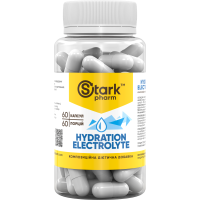
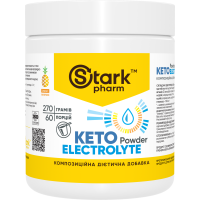
Electrolytes are dissolved mineral ions, such as sodium and potassium. They are involved in maintaining fluid balance, nerve and muscle function. Electrolyte drinks are used in situations of fluid loss, but there is insufficient clinical evidence that a typical hangover always requires specific electrolyte replacement. People with kidney disease or salt and fluid restrictions should be especially careful.
Is there reliable evidence for "hangover" supplements?
A systematic review by Roberts et al. (2022) pooled placebo-controlled trials of pharmacologically active interventions targeting symptoms after alcohol withdrawal. The authors rated the quality of the available evidence as very low. Small groups, different agents, different alcoholic beverages, and different well-being scales were often studied. Therefore, a single positive result cannot be automatically extrapolated to any product with a similar name.
Also revealing is the analysis by Verster et al. (2021): the authors reviewed 82 commercial products marketed as hangover cures. For none of these specific products did they find published, peer-reviewed data demonstrating both safety and efficacy. This is a conclusion about the range studied at the time of the analysis, not evidence that all possible ingredients have never been studied.
The most important difference between a single ingredient and a ready-made mixture is that the concentration, form, number of components, and study regimen may not match the composition of a commercial product. Even if the article has data for a particular substance, it does not automatically confirm the effectiveness of any combination with it.
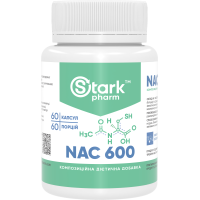
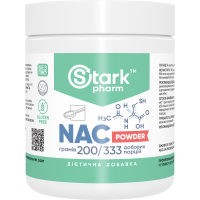
N-acetylcysteine (NAC) is a derivative of the amino acid cysteine. It is often mentioned for its involvement in glutathione-related processes and antioxidant mechanisms. But a biochemical hypothesis does not equal a confirmed result for a person who has consumed alcohol. The effect on laboratory parameters and changes in morning well-being are different endpoints.
A 2021 randomized crossover study involved 49 volunteers who received NAC in a range of 600–1800 mg or placebo under standardized beer drinking conditions. The study did not provide convincing evidence that NAC is a universal way to improve the state after alcohol. The numbers are given only to describe the experiment, not as a regimen.
A 2024 study compared NAC and placebo after a heavy drinking episode. The protocol used 1.2 g of NAC before and 1.2 g after drinking. The next morning, symptom severity scores were approximately 2.5 and 2.6 points, respectively; no statistically significant difference was observed. The conclusion of this study is that there is no evidence of benefit in this setting. Its dosage is not advice to replicate the experiment.
Therefore, the claim that “NAC before alcohol will provide a light morning” does not have a proper evidence base. Nor can it be concluded that NAC neutralizes alcohol or makes consumption of large quantities safe. It is especially dangerous to use a dietary supplement as an excuse to increase the amount of alcohol consumed.
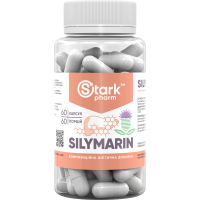
Silymarin and milk thistle: why liver studies don't prove an effect on hangovers
Silymarin is a mixture of compounds extracted from milk thistle. The scientific literature on it mainly concerns indicators of liver function in various states, oxidative stress and certain laboratory markers. A hangover, on the other hand, is defined by short-term symptoms after an alcoholic episode. Results from one area cannot be substituted for results from another.
The phrase “supports the liver” in an advertising description may sound convincing, but without a direct comparison with a placebo for specific symptoms, it is not proof that a person will experience less weakness, nausea, or headache. Laboratory mechanisms do not imply protection against alcohol damage. It is also impossible to determine the effect simply because the substance is included in a mixture with several plants.
In the systematic review by Roberts et al., there was no basis for making a reliable general recommendation for such remedies. If a person has liver-related symptoms, these should be evaluated by a doctor, rather than experimenting with supplements after a meal.
Ginger and B vitamins: can the known properties be transferred to a hangover?
Ginger has been studied in studies of nausea of various origins. However, nausea after alcohol occurs in a different context: mucosal irritation, sleep disturbances, dietary changes, and other factors may be at play simultaneously. Therefore, positive findings about ginger for one cause of nausea do not confirm its effect specifically after an alcoholic episode.
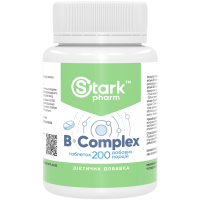
B vitamins are necessary for normal energy metabolism and nervous system function. Long-term alcohol abuse can lead to nutritional deficiencies and nutrient deficiencies; this is a separate clinical situation that should be assessed by a medical professional. Taking a single vitamin complex after a party should not be equated with solving the problem of nutrient deficiencies or a way to quickly recover from alcohol.
In addition, high-dose complexes may contain substances in quantities that are not suitable for everyone. If several supplements contain the same vitamins, the total consumption increases. This is another argument not to put together a “hangover” kit of many products at once without understanding the composition.
Which statements sound plausible but are misleading?
| Popular opinion | What to understand |
|---|---|
| "I'll drink a lot of water - everything will pass" | Water may reduce thirst, but it doesn't eliminate all hangover mechanisms. |
| "Everyone needs electrolytes after alcohol" | The need depends on fluid loss and general condition. |
| "An antioxidant before a feast will make alcohol safe" | Such protection has not been proven in humans. |
| "Milk thistle will relieve the load on the liver" | There is no reason to promise such a result. |
| "The more vitamins, the faster the recovery" | Larger amounts do not mean greater benefits and may be undesirable |
| "Alcohol will help in the morning" | An additional serving maintains the alcohol's effects and can make the situation worse. |
Another common mistake is to consider an improvement in a single sensation as proof that the body has fully recovered. For example, thirst may subside before attention and reaction speed return. Feeling well is not a reliable test of fitness to drive or perform dangerous work.
What can be done the next morning without questionable experiments
If symptoms are mild and there are no dangerous signs, the first priority is to remain calm and maintain normal physiological needs. Small amounts of water as needed, easily digestible food, and rest can help you get through this unpleasant period. This is not a specific protocol with a proven speed of recovery, but rather pragmatic steps for comfort.
- Fluids: Drink according to thirst and well-being; repeated vomiting requires a separate assessment of the risk of fluid loss.
- Food: Don't force yourself to eat heavy or fatty foods; return to your usual diet when tolerated.
- Rest: Don't compensate for sleep with excess caffeine and don't plan activities that require quick reactions.
- Medications: Do not take painkillers haphazardly: paracetamol combined with alcohol can be dangerous for the liver, and some other drugs irritate the stomach.
- Alcohol: Do not use repeated use to mask symptoms.
The NIAAA notes that time is an important factor in ending a hangover. At the same time, trying to "speed up the process" with additional alcohol, saunas, excessive exercise, or arbitrary combinations of medications is not worth it. If you have severe symptoms, home remedies are not a substitute for help.
When the situation goes beyond a normal hangover
Impaired consciousness, inability to wake the person, slow or irregular breathing, repeated convulsions, cyanosis or severe cooling of the body are signs of possible alcohol intoxication, which requires emergency care. Do not leave such a person alone and do not try to “sober up” with coffee or a cold shower. In Ukraine, for emergency assistance, you should call 103 or 112.
Persistent vomiting, severe abdominal pain, signs of bleeding, increasing weakness, or an inability to drink fluids also require medical evaluation. Special care is needed if alcohol has been combined with sedatives, hypnotics, or other substances that affect breathing and consciousness.
If you have recurring heavy drinking episodes, changing habits, or needing a drink for morning relief, it's a good idea to talk to your doctor. The goal is to get help without judgment, not to find a solution that will allow you to continue your risky drinking.
Brief conclusion: how practical steps differ from marketing promises
Water and electrolytes are primarily about fluids and salts; food is about the usual energy supply; sleep and rest are about recovery from a disrupted regime. These are different tasks, and none of them is a universal answer to all symptoms. Placebo-controlled studies do not provide sufficient grounds to recommend popular complexes or individual supplements specifically for hangovers.
The most predictable way to reduce the likelihood of a bad morning is to avoid or reduce the amount of alcohol you drink. It’s important not to substitute this idea with a “before” or “after” supplement regimen: science has not yet confirmed that such a regimen makes alcohol loading safe.
Frequently asked questions
Does water help with a hangover?
It can reduce thirst and maintain water balance, but it does not eliminate all possible symptoms after alcohol.
Does it make sense to drink electrolytes after alcohol?
They are sometimes appropriate for fluid loss, but their benefit for a simple hangover has not been conclusively proven.
Does NAC help with hangovers?
Randomized trials have not consistently demonstrated benefit. Doses from trials should not be taken as guidelines.
Does milk thistle protect the liver when drinking alcohol?
There is not enough clinical data to promise such protection or relief of symptoms the next morning.
Can ginger help with nausea after alcohol?
Ginger has been studied for various causes of nausea, but it is wrong to extrapolate these results to hangovers without direct evidence.
Should I take B-complex after a feast?
There is not enough evidence that it improves the well-being of a common hangover. Excessive combination of vitamin preparations is undesirable.
Does coffee speed up the return to normal?
Caffeine may temporarily increase feelings of alertness, but it does not speed up alcohol elimination or restore disrupted sleep.
Why do I get a headache after drinking alcohol, even if I drink water?
Headaches can be affected by different processes, so thirst and other symptoms do not always change at the same time.
Can I drive when my hangover is already mild?
Subjective relief does not guarantee full recovery of attention and reactions. If weakness or drowsiness occurs, driving should be abandoned.
When do you need to urgently seek help?
If a person loses consciousness, has difficulty breathing, has seizures, or cannot be awakened, emergency care is needed.
Sources
- Roberts E et al. (2022). The efficacy and tolerability of pharmacologically active interventions for alcohol-induced hangover symptomatology: a systematic review of the evidence from randomised placebo-controlled trials. Addiction. PubMed.
- Verster JC, van Rossum CJI, Scholey A. (2021). Unknown safety and efficacy of alcohol hangover treatments puts consumers at risk. Addictive Behaviors. PubMed.
- The use of N-acetylcysteine in the prevention of hangover: a randomized trial. (2021). Scientific Reports. PubMed.
- N-Acetylcysteine Ineffective in Alleviating Hangover from Binge Drinking: A Clinical Study. (2024). PubMed.
- Mackus M et al. (2024). Alcohol hangover versus dehydration revisited: The effect of drinking water to prevent or alleviate the alcohol hangover. Alcohol. PubMed.
- A Review of the Physiological Factors Associated with Alcohol Hangover. (2017). PubMed.
- Alcohol Hangover: Mechanisms and Mediators. PubMed Central.
- Interventions for preventing or treating alcohol hangover: systematic review of randomised controlled trials. (2005). BMJ. PubMed.
- A comparison of the United Kingdom, Australian and Japanese hangover product market. (2025). Drug and Alcohol Review. PubMed Central.
- National Institute on Alcohol Abuse and Alcoholism. Hangovers. NIAAA.
Dietary supplement. Not a medicine. Consult a doctor before use.
Products related to this post
Related Posts
Comments
Information
Customer Service
Extras
My Account


Sports nutrition manufacturer in Ukraine StarkPharm © 2026


