Your shopping cart is empty!

Training and immunity: why respiratory symptoms are more common after heavy exercise
Published: 20/11/2026
Times Read: 19
Comments : 0
After a marathon, a grueling tournament, or several weeks of intense training, athletes sometimes report an increased incidence of runny noses, sore throats, and other respiratory symptoms. This does not necessarily mean that the training itself caused the infection or that the immune system “turned off” for a few hours. Modern sports medicine considers a more complex picture: prolonged exertion is combined with sleep deprivation, psychological stress, inadequate nutrition, travel, and contact with large numbers of people.
It is important to distinguish between a confirmed infection and symptoms that are merely similar to a cold. For example, dry or cold air, allergens, and respiratory irritation can cause cough and discomfort without the involvement of viruses. That is why the risk assessment for an athlete begins not with the choice of supplement, but with the nature of the symptoms, training regimen, and recovery conditions.

Why heavy training changes immune performance
During exercise, the number and distribution of immune cells in the blood changes. Certain populations of leukocytes temporarily circulate more actively, and after the exercise is over, their number in the blood may decrease. Previously, this change was sometimes interpreted as a short “window” of weakened defenses. However, a decrease in the number of cells in a blood sample does not in itself prove a loss of the body's ability to resist infections: the cells can also move to other tissues.
Walsh et al.’s review emphasizes that the response depends on the duration, intensity, and frequency of exercise. Regular moderate activity is not the same as repeated, exhausting sessions with insufficient recovery. Accordingly, it is more correct to talk about a balance of exercise and recovery, rather than a universal rule that “exercise weakens immunity.”
When evaluating studies, it is also important to distinguish laboratory markers from clinical outcomes. A temporary change in cytokine concentrations, immunoglobulin levels, or lymphocyte counts does not equate to a proven change in infection rates. It is the frequency, duration, and severity of confirmed illnesses that are of greatest practical importance.
Respiratory symptoms after exercise: not always an infection
The International Olympic Committee, in a 2022 consensus document, divided acute respiratory conditions in athletes into infectious and non-infectious. The complaints may look the same, but their causes vary. For example, a cough while running in the cold may be due to a respiratory response rather than a new infection.
| Situation | Possible explanation | What is important to consider |
|---|---|---|
| Runny nose after competition | Viral infection, allergy, or mucosal irritation | Contacts, temperature, state dynamics |
| Coughing during a cold run | Respiratory tract irritation or bronchospasm | Exercise-related, dyspnea, repetitive |
| Sore throat after a flight | Dry air or infectious process | Other symptoms and contact with sick people |
| Fatigue after a multi-day start | Accumulated workload, lack of sleep or energy | Recovery time and general condition |
Self-diagnosis based on one symptom alone is unreliable. If you develop severe shortness of breath, chest pain, fever, or unusually severe weakness, seek medical evaluation. Returning to strenuous exercise during an acute illness should also not be based on feeling “better.”
After a marathon, it's not just the kilometers that matter
Marathons and multi-day events combine several potential risk factors. The athlete expends a lot of energy, may eat irregularly, sleeps in unusual places, and spends time in crowded places. In the winter season, indoor environments, public transportation, and more team contact are added.
A systematic review prepared as part of the IOC expert work on risk factors for acute respiratory conditions looks at both training and external factors. This does not allow us to attribute all cases of colds to one strenuous activity. It is necessary to consider the conditions under which a person trains, eats, sleeps and recovers.
The statement "after the marathon - therefore, because of the marathon" is a typical logical fallacy. Even when symptoms appeared a day after the start, the timing alone does not prove a causal relationship. At the same time, the period after heavy exertion really deserves special attention to sleep, nutrition, and general well-being.
Immunity during intense training: what factors really matter
The most consistent emphasis in sports reviews is on adequate recovery, adequate energy intake, and managing associated stress. The immune system does not operate in isolation from the nervous, endocrine, and digestive systems. When an athlete accumulates sleep deprivation and simultaneously increases training volume, the body is forced to adapt to multiple stresses at once.
| Factor | Why is it important? | Practical guideline |
|---|---|---|
| Sleep | Lack of sleep alters recovery and immune responses | Regularity of the regimen and sufficient duration |
| Energy diet | Prolonged energy deficit makes adaptation difficult | Do not combine heavy cycles with unreasonable food restrictions |
| Carbohydrates | Supports power supply for long-term operation | Consider the volume and nature of training |
| Psychological stress | Can increase overall workload | Consider work, travel, and other stressors |
| Contacts | Increase the likelihood of encountering pathogens | Hand hygiene, ventilation, attention to symptoms in the team |
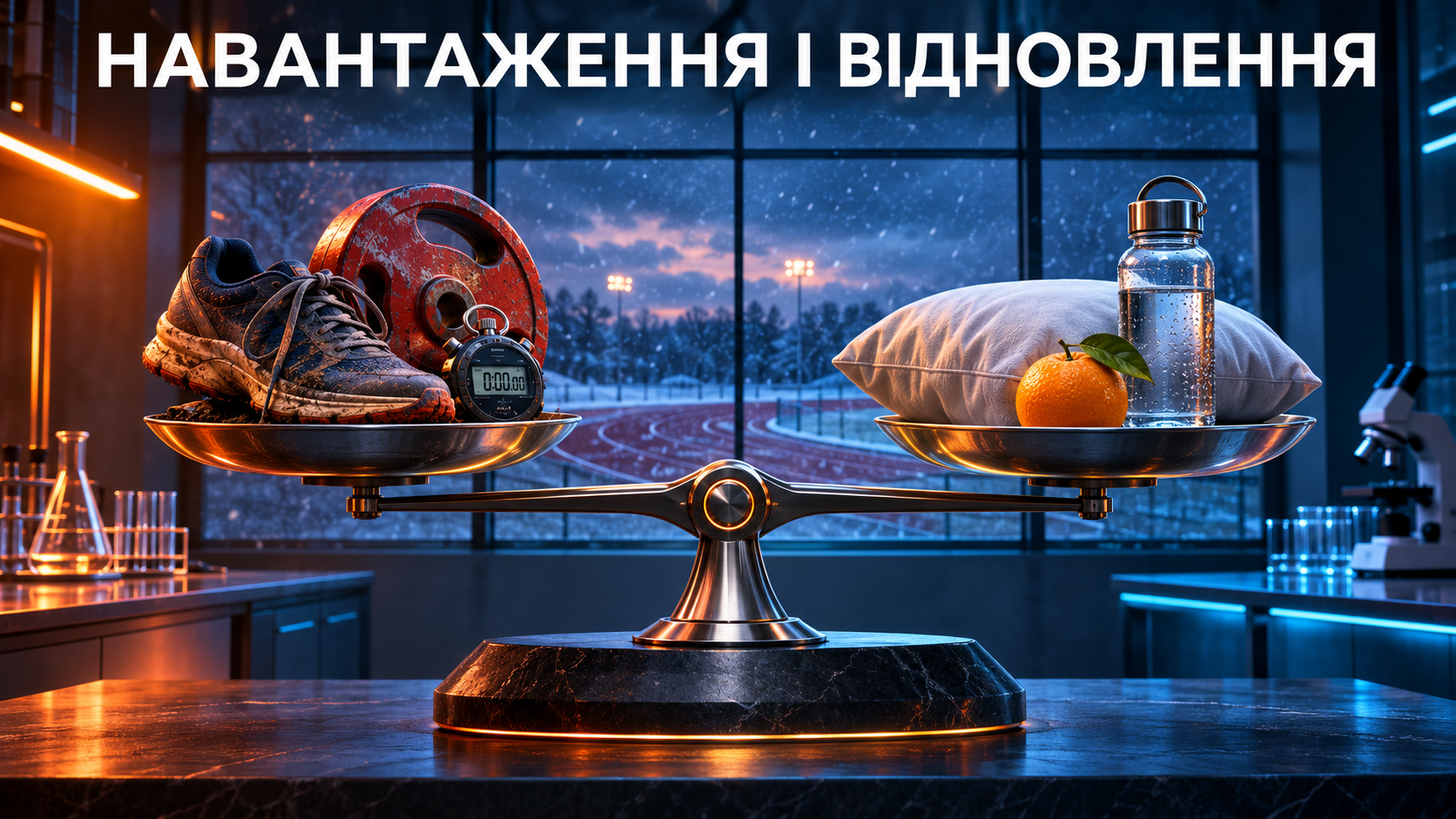
Recovery is not just about taking a day off from training. It involves sleep, nutrition, reducing accumulated fatigue, and smart intensity planning. An athlete with frequent episodes of malaise should analyze the entire training cycle, rather than looking for one “missing” substance.
Vitamin C: Does Regular Use Matter?
Vitamin C is involved in the normal function of immune cells and the body's antioxidant systems. However, the biological necessity of the substance does not mean that additional large amounts automatically improve clinical outcomes. It is especially important to separate studies of the general population from studies involving people with high physical activity.
The literature has discussed some results regarding regular vitamin C intake among participants in intensive physical activity. However, this is not a basis to claim that it reliably protects every runner or allows for increased training volume without consequences. The effects may depend on the initial diet, the study conditions and how the respiratory episode was defined.
If the diet contains enough vegetables, fruits and other sources of vitamin C, the main question is not finding the maximum dose, but whether there is a real need for additional intake. Nutritional status matters, and a universal scheme “for immunity after training” is not scientifically justified.
Vitamin D: the importance of baseline status and the limits of evidence
Vitamin D is involved in immune function, but the results of studies on respiratory infections are mixed. A meta-analysis of randomized trials published in 2025 found no convincing overall protective effect of vitamin D supplementation against acute respiratory infections in the entire pooled sample.
This does not negate the importance of identifying and correcting vitamin D deficiency as medically indicated. But correcting a deficiency and promising fewer colds after a marathon are two different things. Vitamin D levels, dietary habits, season, and individual factors should be considered in the context of overall health.
The results of individual studies should not be automatically extrapolated to all athletes. Differences in baseline vitamin D levels, study designs, and endpoints make comparisons between studies difficult.
Zinc, beta-glucans and probiotics: where does the certainty end?
Zinc is essential for the normal functioning of many enzymes and immune cells. However, the data on its use after the onset of cold symptoms do not amount to evidence that high doses are needed daily for a healthy athlete. Long-term excess zinc intake can disrupt the balance of other trace elements. Therefore, the independent use of large doses is not a universal approach.
Beta-glucans are a heterogeneous group of polysaccharides. Their properties depend on their origin, structure, and method of production. The results of work with a specific form cannot be extrapolated to all others without verification. Some studies evaluate subjective symptoms or laboratory markers, rather than confirmed infections, which further limits the conclusions.
For probiotics, systematic reviews of randomized trials in athletes have been published. Some studies have shown potential benefits for respiratory symptoms, but the strains studied, combinations, duration of use, and evaluation criteria vary considerably. Therefore, it is appropriate to speak of a promising area of research rather than of proven efficacy for each probiotic.
| Substance or group | What can be said carefully? | What the data does not support |
|---|---|---|
| Vitamin C | Important for normal immune function | Reliable protection for every athlete from colds |
| Vitamin D | It is important to assess the initial status | Universal reduction of infection rates for all |
| Zinc | Essential micronutrient in the diet | The Necessity of Large Doses for Anyone Who Trains |
| Beta-glucans | The effect may depend on the specific structure | Same result for all forms |
| Probiotics | There are studies of individual strains | The same effect of any product |
How an athlete can assess their own risk
When preparing for a race, it is important to plan your diet based on your actual energy expenditure. Severe calorie restriction, skipping meals, and irregular sleep patterns are not made any more beneficial by the athlete taking supplements at the same time. When the workload increases, recovery should be part of the plan, not a residual principle.
If respiratory symptoms recur frequently, are accompanied by wheezing, shortness of breath, or occur only during exertion, it is appropriate to consult a doctor. Not every such episode is a cold; other causes may exist and require separate evaluation.
Practical conclusion for the winter training season
Regular exercise and intense exercise cycles should not be pitted against each other. For most people, moderate activity is part of a healthy lifestyle. Problems tend to arise when the workload is sustained beyond recovery or when it is combined with other risk factors.
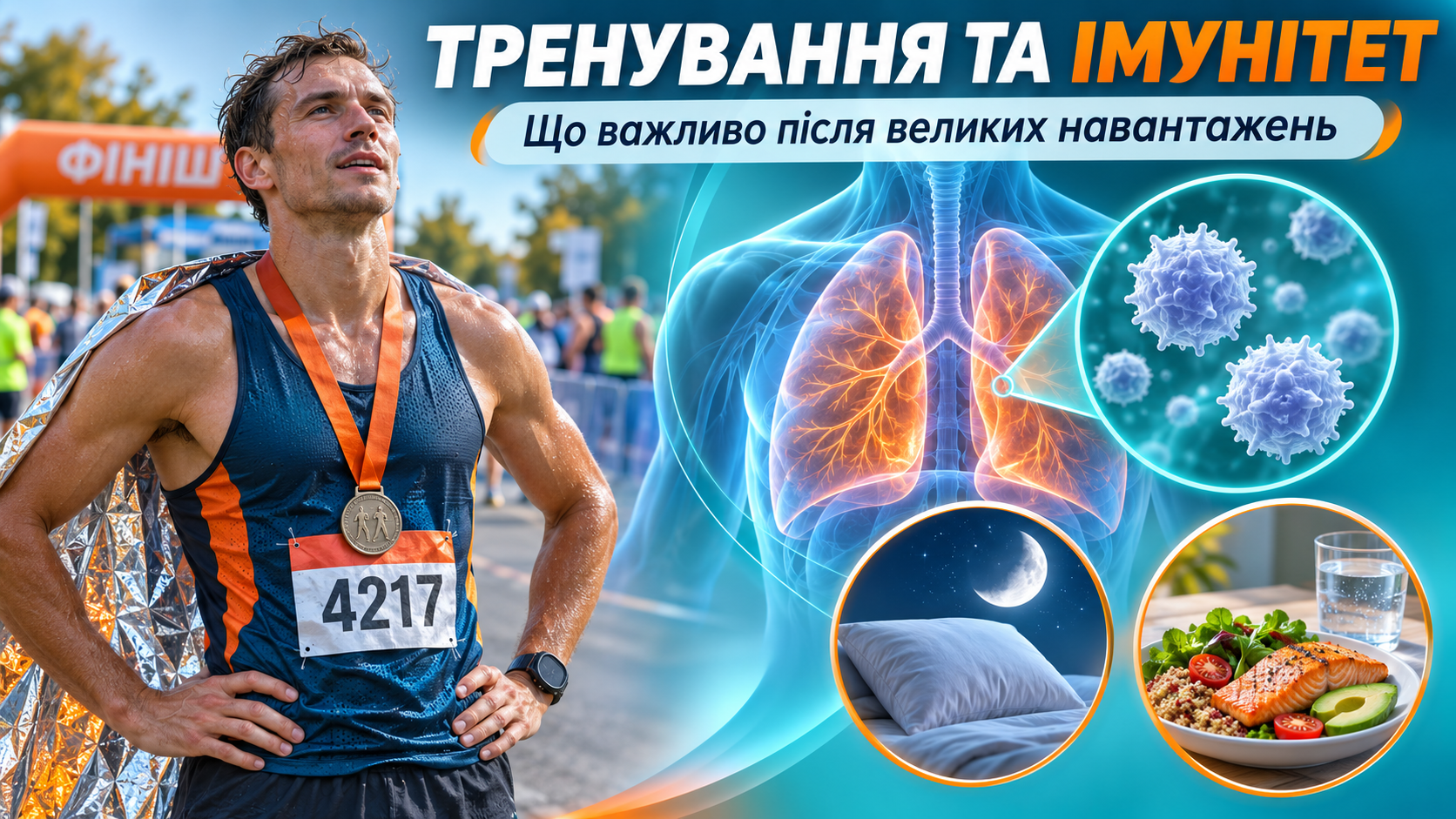
After a tough start, the best-founded basic steps are to ensure adequate sleep, regular nutrition, hydration, and a sensible return to normal volumes. Supplements do not replace these factors, and the data on individual ingredients remain variable in strength and applicability. The key is to distinguish promising results from individual studies from conclusions that can already be extended to a wide group of athletes.
Frequently asked questions
Does immunity really weaken after a marathon?
After prolonged stress, immune indicators change, but this does not automatically mean that every person has reduced protection against infections.
Why does my throat hurt after intense exercise?
The cause may be an infection, dry or cold air, allergies, or respiratory irritation. If symptoms persist, a doctor should be evaluated.
Can I run if I have a fever?
Intense exercise during acute illness should not be continued without medical evaluation, especially if you have a fever, chest pain, or shortness of breath.
Is sleep important for an athlete in winter?
Yes. Lack of sleep impairs recovery and puts additional strain on the body, so a stable sleep schedule is an important component of preparation.
Will vitamin C help prevent colds after competitions?
Vitamin C is necessary for the normal functioning of the immune system, but its additional use does not guarantee the absence of respiratory symptoms.
Do all athletes need vitamin D?
The need depends on individual status and other factors. The data do not support a universal protective effect of supplements for everyone.
Is it okay to take a lot of zinc during a training camp?
High doses of zinc are not a standard solution for all athletes and may cause undesirable effects. The feasibility should be assessed individually.
How do beta-glucans differ from each other?
They have different origins and chemical structures, so research results from one form cannot be automatically transferred to others.
Do all probiotics work the same?
No. Effects are studied on specific strains or combinations, and data for one formula does not imply the same effect for another.
What's more important after a really hard workout: supplements or recovery?
The first things to consider are getting enough sleep, eating well, and gradually returning to exercise. Supplements are not a substitute for these basics.
Sources
- Schwellnus M. and others. (2022). International Olympic Committee consensus statement on acute respiratory illness in athletes: acute respiratory infections. British Journal of Sports Medicine. PubMed
- Walsh NP (2018). Recommendations to maintain immune health in athletes. European Journal of Sports Science. PubMed
- Walsh NP (2019). Nutrition and Athlete Immune Health: New Perspectives on an Old Paradigm. Sports Medicine. PMC
- Jolliffe DA and others. (2025). Vitamin D supplementation to prevent acute respiratory infections: systematic review and meta-analysis of stratified aggregate data. The Lancet Diabetes & Endocrinology. PMC
- International Olympic Committee consensus subgroup (2022). Risk factors associated with acute respiratory illnesses in athletes: a systematic review. British Journal of Sports Medicine. DOI
- Probiotic Supplementation and Respiratory Infection and Immune Function in Athletes: Systematic Review and Meta-Analysis of Randomized Controlled Trials (2021). Medicine & Science in Sports & Exercise. PubMed
Dietary supplement. Not a medicine. Consult a doctor before use.
Products related to this post

Related Posts
Comments
Information
Customer Service
Extras
My Account


Sports nutrition manufacturer in Ukraine StarkPharm © 2026


