Your shopping cart is empty!

What are adaptogens and how do the most popular plants differ?
Published: 22/11/2026
Times Read: 32
Comments : 0
Adaptogens are a diverse group of herbal and some fungal ingredients that are traditionally associated with the body's ability to adapt to stress. This group typically includes ashwagandha, rhodiola rosea, ginseng, eleutherococcus, and schisandra chinensis; cordyceps is also found in commercial formulations. However, the common name does not imply the same composition, mechanism, or clinical outcome.
For comparisons to make sense, it is important to separate the historical concept of adaptogens, cell and animal experiments, and controlled human studies. The latter provide the most direct information about changes in well-being, fatigue, or sleep patterns, but their quality varies significantly between ingredients.
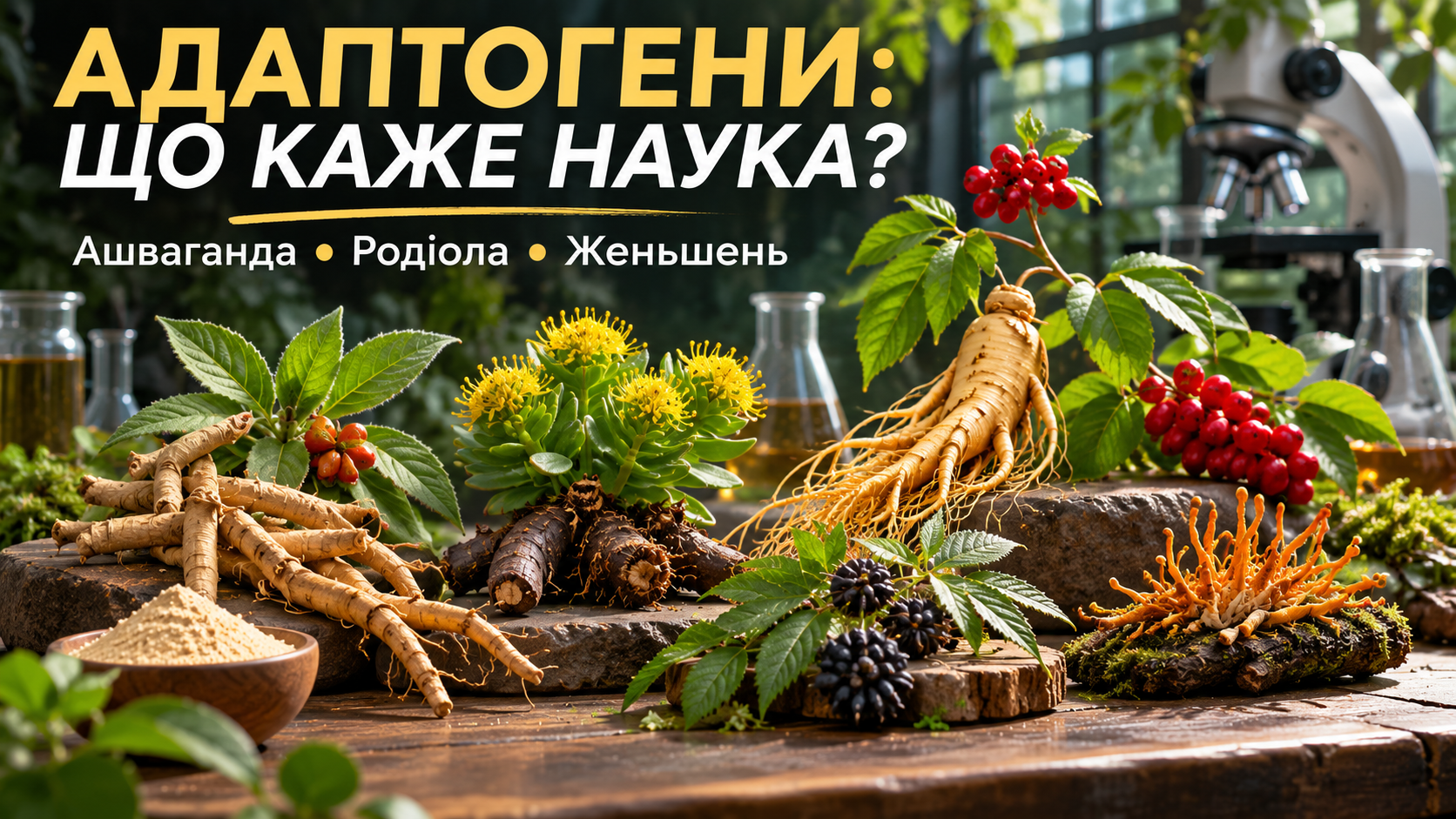
Adaptogens in simple words: a concept, not a universal effect
The term originated in 20th-century stress research. It was used to describe substances that supposedly alter the body’s nonspecific responses to various factors. Reviews by Panossian and Wikman (2009; 2010) consider hypotheses involving the nervous and neuroendocrine systems. This is an interesting model, but it cannot be taken as confirmation that all ingredients with the same name have the same effect on humans.
In commercial practice, the word “adaptogen” is often translated into a broad designation for plants “for stress,” “for energy,” or “for balance.” These phrases sound similar, but they hide different research endpoints: from subjective questionnaires to cortisol concentrations, attention tests, or physical endurance. Each conclusion requires a specific plant, extract, methodology, and group of participants.
Ashwagandha, Rhodiola, Ginseng, and Others: A Quick Comparison
| Ingredient | Characteristic markers | What was studied in humans | The main limitation |
|---|---|---|---|
| Ashwagandha (Withania somnifera) | Withanolides; also other root components | Subjective stress, sleep, sometimes cortisol | Small samples, different extracts, limited information on long-term use |
| Rhodiola rosea (Rhodiola rosea) | Rosavins and salidroside | Fatigue, attention, certain performance indicators | Heterogeneity and methodological shortcomings of some of the trials |
| Ginseng (Panax spp.) | Ginsenosides | Fatigue in different clinical groups, sometimes work capacity | Different species, compositions, samples, and conflicting combined results |
| Eleutherococcus (Eleutherococcus senticosus) | Eleutherosides, particularly B and E | Fatigue and stress in small studies | No convincing repeatable benefit in high-quality RCTs |
| Chinese lemongrass (Schisandra chinensis) | Lignans, particularly schisandrins | Individual functional and physiological indicators | Most mechanistic conclusions have not been tested in large RCTs |
| Cordyceps (Cordyceps spp.) | Cordycepin in some species, others nucleosides | Physical performance and recovery | Studies are often small or use mixtures |
The table is not a ranking of plants by potency or effectiveness. Comparisons across different endpoints do not allow for a clear winner. For example, changes in questionnaire scores in one study do not directly correlate with changes in exercise time in another.
How do possible mechanisms of action explain
The hypothalamic-pituitary-adrenal (HPA) axis, stress signaling molecules, heat shock proteins, and neurotransmitter systems are often mentioned in the literature on adaptogens. These mechanisms are important for generating scientific hypotheses, but the mere presence of an interaction in a laboratory experiment does not necessarily mean that a person will experience a noticeable improvement in well-being.
Furthermore, results vary depending on the plant species, the part of the plant, the extraction method, and the compound profile. Simply calling two products “rhodiola” is not sufficient to assume that they have identical biological composition. Similarly, data on standardized ashwagandha root extract should not be directly extrapolated to whole plant powder or other types of extract.
Ashwagandha: Most Attention for Stress and Sleep
Ashwagandha (Withania somnifera) is traditionally used in Ayurvedic practice. Its extracts have been studied for subjective stress, anxiety, sleep parameters, and sometimes cortisol levels. According to the NIH Office of Dietary Supplements (2025), a number of short-term randomized trials have found positive changes in some measures. However, the number of participants is usually small, and the different forms of extracts are not interchangeable.
Withanolides are often listed as composition markers. However, the same percentage of withanolides does not guarantee the same overall active compound profile, much less the same results in humans. A study with a specific proprietary extract describes that specific formulation and population, not just any supplement labeled “ashwagandha.”
Safety is a separate issue. The NIH and NCCIH report possible drug interactions, effects on thyroid function, and rare reports of liver damage. Pregnancy and breastfeeding are among the situations in which ashwagandha is not recommended. There is insufficient data on regular use over many months or years.
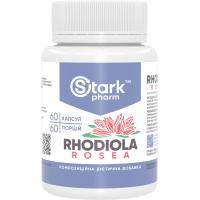
Rhodiola rosea contains several groups of phenolic compounds. Rosavins and salidroside are often listed on the labels of standardized extracts. However, their proportion may vary depending on the type, raw material and analysis method. Therefore, the same mass of extract does not mean the same number of markers.
A systematic review by Ishaque et al. (2012) included controlled trials of rhodiola for physical and mental fatigue. The authors found signals of a possible effect in some studies, but noted methodological limitations, differences in outcome definitions, and lack of data homogeneity. The trial by Olsson et al. (2009) investigated standardized SHR-5 in a specific group of people with stress-related fatigue; the results should not be generalized to all forms of rhodiola.
The external name "tonic extract" does not provide information about the clinical intensity of the effect. Even if a person subjectively feels cheerful, this does not prove recovery from sleep deprivation or the ability to replace rest. Comparison with caffeine is also incorrect without direct controlled studies.
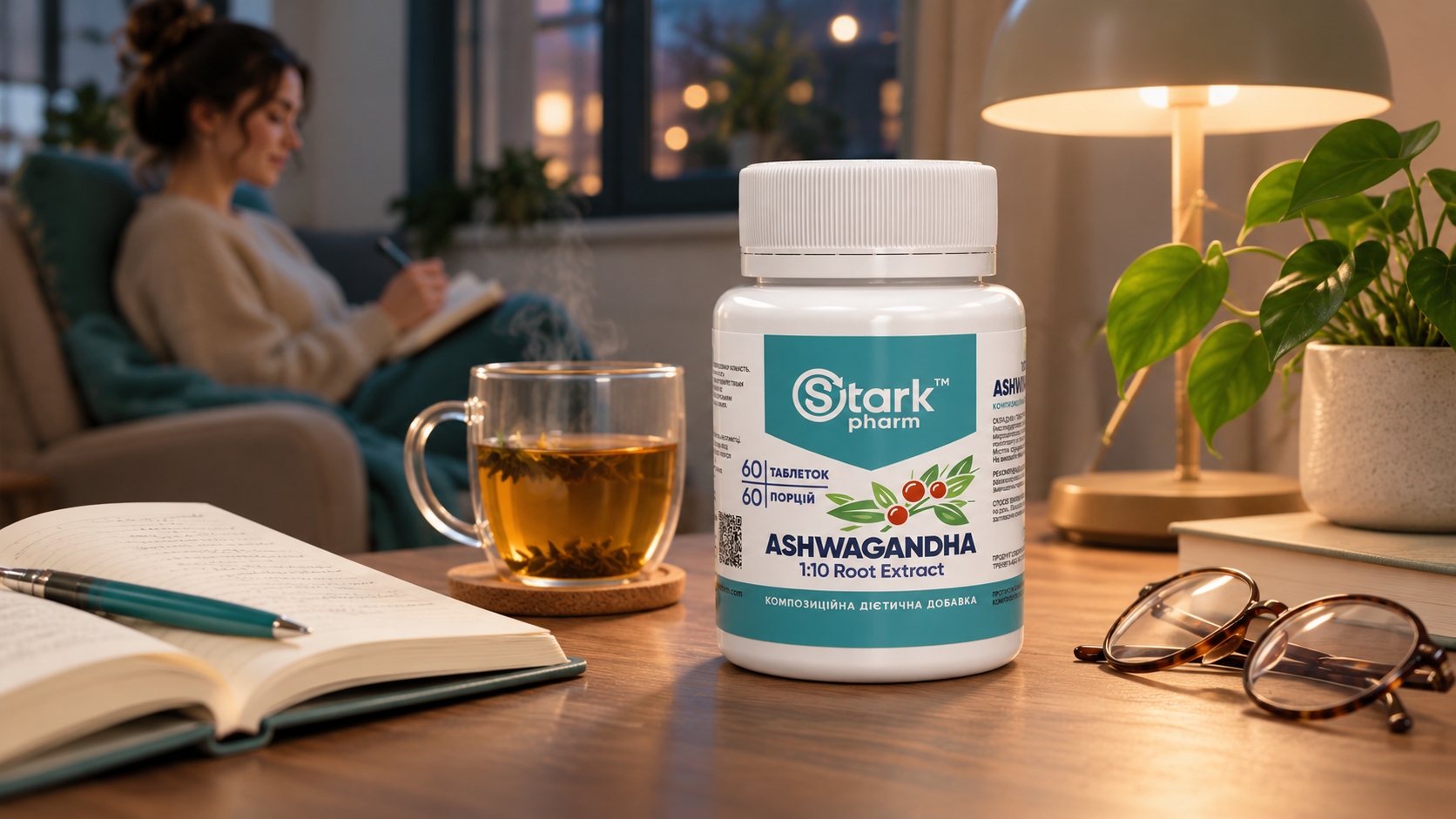
Ginseng: the Panax species and ginsenosides matter
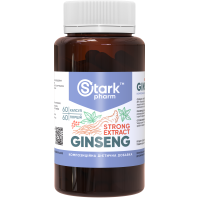
Ginseng can be understood as Panax ginseng, Panax quinquefolius and other related species. Their ginsenoside profiles are not the same. The number and ratio of marker compounds depends on the species, origin of the root, processing and extraction. Therefore, the phrase “ginseng extract 500 mg” without clarification provides very little data for comparison.
A 2023 systematic review and meta-analysis examined ginseng and herbal formulas containing it for fatigue. The overall results were mixed; in a pooled analysis of 14 studies, the difference versus control was not statistically significant for the primary comparison, and there was high heterogeneity. Therefore, it would be misleading to present ginseng as a treatment with predictable effects under any load.
Some studies have involved people with specific medical conditions or multi-ingredient formulas. Such results cannot be extrapolated to healthy consumers or to pure Panax extract without additional justification. Potential drug interactions and tolerability considerations should also be considered.
Eleutherococcus is not “Siberian ginseng” in terms of composition
Eleutherococcus senticosus belongs to a different botanical genus than Panax ginseng. The historical name “Siberian ginseng” has led to confusion as if these plants have the same marker substances. In fact, other markers are used for Eleutherococcus, eleutherosides; they are not ginsenosides.
A 2013 randomized trial compared the use of Eleutherococcus extract with a stress management program and a combination of the two. Adding the herbal extract did not provide a convincing additional benefit over the program alone on the measures studied. A single trial does not put an end to the topic, but it certainly does not provide grounds to call Eleutherococcus a reliably proven solution for stress.
When evaluating a label, it’s important to look not only at the plant name, but also at the raw material part, extract type, and validated markers. Comparing Eleutherococcus to ginseng by a single milligram number tells you almost nothing about the biological differences.
Lemongrass and Cordyceps: Why There's Less Evidence
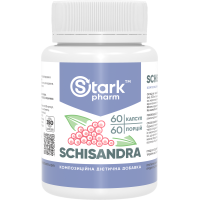
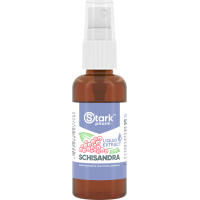
Schisandra chinensis contains characteristic lignans, particularly schisandrins. In laboratory studies, these compounds have been studied in the context of cellular responses to stress and the function of various organs. However, the existence of a mechanism does not provide a ready-made conclusion about changes in endurance or well-being of a person after taking a particular extract.
Cordyceps is the name of a group of mushrooms, not a single standardized substance. Cordycepin, adenosine, and other metabolites have been studied in certain species, particularly Cordyceps militaris. Performance studies are often small and vary in product composition, duration, and testing. If a mixture of several ingredients is used, it is impossible to confidently attribute the results to Cordyceps alone.
Therefore, Schisandra and Cordyceps should be considered as separate lines of research, rather than as plants or fungi with guaranteed similar effects. To evaluate specific forms, data on the species, chemical composition, and population studied are needed.
How to read the extract standardization on the packaging
The label “10:1 extract” describes the ratio of the starting material to the extract obtained using a certain technology. It does not in itself prove higher biological activity and does not replace chemical analysis. The designation “5% withanolides” or “3% rosavins” refers to a specific group of marker substances, but does not mean that all other components are the same.
| What is written? | What can be installed | Why is this not enough? |
|---|---|---|
| "500 mg extract" | Weight of the specified extract per serving | Marker profile and clinical trial results |
| "10:1" | Declared technological ratio | The exact content of withanolides, rosavins or ginsenosides |
| "5% marker substances" | Content of a specific group of compounds according to the claimed method | Identity of different extracts with the same percentage |
| Latin name of the species and part of the plant | More accurate botanical identification of raw materials |
The most informative comparison is based on botanical species, part of the plant, manufacturing method, standardization, number of markers per serving, and research on that particular type of extract. Even such a characterization does not automatically allow for a personal “right dose”: clinical studies have evaluated individual drugs, groups of people, and endpoints.
Why there is no universal scale of “stronger” and “weaker” adaptogens
Trying to rank adaptogens on a single scale confuses incomparable data. One trial measures change in subjective stress, another measures time to fatigue during exercise, and a third measures laboratory markers. Differences in participants, doses, duration, and assessment tools used make it impossible to say that one ingredient is “twice as powerful” as another.
Additionally, some studies use commercial, proprietary extracts that are different from conventional powders or other forms. The risk of bias, sample size, and independent replication of results are more important for validity than a bright description on the packaging.
Stimulant properties, time of administration and individual response
Popular descriptions refer to some adaptogens as “stimulant” and others as “sedative.” Such labels often come from traditional use or subjective feedback rather than from large, direct comparative trials. Responses to a plant extract may vary depending on individual sensitivity, other ingredients in the product, and concomitant medications.
There is no single scientifically proven rule for the time of day for all adaptogens. If a particular supplement contains an herbal extract, you should refer to the label and consider possible interactions with sleep patterns and other medications. Late-night intake should not be considered universally appropriate just because the product belongs to the adaptogen group.
Safety: Plant origin does not guarantee the absence of risks
Herbal components may interact with drugs, affect tolerability, and have different limitations for individual groups of consumers. For ashwagandha, risks related to the liver, thyroid, sedatives, and other drugs are described separately; special caution is necessary during pregnancy and breastfeeding. For other plants, the risk profile should not be automatically equated to ashwagandha: the specific raw material is important.
The presence of chronic diseases, use of medications, pregnancy, lactation or a tendency to allergic reactions are grounds for individual discussion with a doctor. Independently combining several extracts makes it difficult to determine which component is associated with an undesirable reaction. Prolonged exhaustion, persistent sleep disturbances or a significant deterioration in well-being require an assessment of the causes, rather than the search for an increasingly stronger "adaptogen".
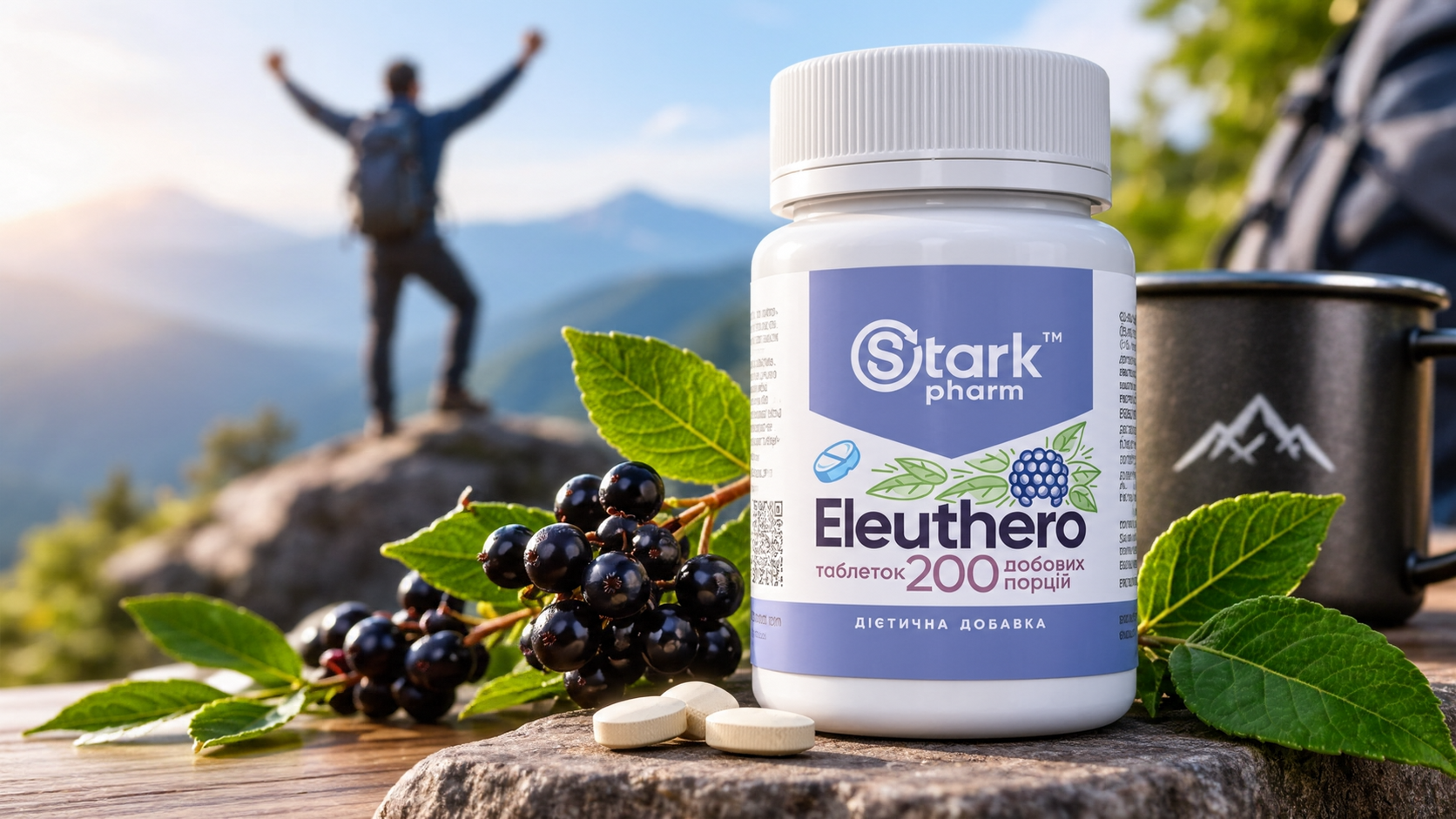
Summary: What can and cannot be concluded
Adaptogens are a broad historical and commercial term that encompasses botanically and chemically diverse ingredients. Human data are most often discussed for individual extracts of ashwagandha and rhodiola, while for others the evidence base is case-specific and often limited. This does not mean that all herbs are interchangeable.
It is practically useful to check the Latin name, the amount of raw materials, standardization, active markers, and the exact origin of the scientific findings. A positive result from a small study is information for evaluation, not a promise of the action of any supplement with the same name.
Frequently asked questions
What are adaptogens in simple words?
This is a conventional group of mostly plant-based ingredients that are traditionally associated with adaptive responses in the body. Their properties and quality of clinical evidence vary.
What plants are most often called adaptogens?
Ashwagandha, Rhodiola, Ginseng, Eleutherococcus, and Schisandra. Some mushrooms, including Cordyceps, are also added to modern commercial formulations.
Do all adaptogens work the same way?
No. They contain different compounds, and the tests were conducted with different extracts, participants, and endpoints.
How is rhodiola different from ashwagandha?
In rhodiola, rosavins and salidroside are important markers, while in ashwagandha, withanolides are important. The most common research topics are also different: for rhodiola, fatigue has often been studied, and for ashwagandha, stress and sleep.
Are Eleutherococcus and ginseng the same plant?
No. Eleutherococcus belongs to the genus Eleutherococcus, while true ginseng belongs to the genus Panax; their main marker substances are different.
What does the 10:1 mark on the extract mean?
This is a technological ratio, not a direct measurement of potency. For comparison, it is important to know the content of marker compounds and the standardization method.
Does the label “standardized” prove effectiveness?
No. It may imply control of certain components, but clinical results need to be confirmed by separate studies.
Is there a proven best adaptogen?
There is no universal rating for all purposes and people. The available works vary too much in terms of plants, forms and indicators.
Can several adaptogens be combined?
The safety of combinations depends on the composition, drugs, and individual factors. For many combinations, there is a lack of quality research.
Can adaptogens replace sleep and rest?
No. Studies of individual extracts do not confirm that they compensate for systematic sleep deprivation or overload.
Sources
- Panossian A, Wikman G. (2009). Evidence-based efficacy of adaptogens in fatigue, and molecular mechanisms related to their stress-protective activity. Current Clinical Pharmacology. PubMed.
- Panossian A, Wikman G. (2010). Effects of Adaptogens on the Central Nervous System and the Molecular Mechanisms Associated with Their Stress-Protective Activity. Pharmaceuticals. PubMed.
- National Institutes of Health, Office of Dietary Supplements. Ashwagandha: Is it helpful for stress, anxiety, or sleep? Health Professional Fact Sheet. NCCIH.
- National Center for Complementary and Integrative Health. Ashwagandha: Usefulness and Safety. NCCIH.
- Ishaque S et al. (2012). Rhodiola rosea for physical and mental fatigue: a systematic review. BMC Complementary and Alternative Medicine. PubMed.
- Olsson EMG et al. (2009). A randomised, double-blind, placebo-controlled, parallel-group study of the standardised extract SHR-5 of the roots of Rhodiola rosea in subjects with stress-related fatigue. Planta Medica. PubMed.
- Ginseng and Ginseng Herbal Formulas for Symptomatic Management of Fatigue: A Systematic Review and Meta-Analysis (2023). PubMed.
- No benefit adding Eleutherococcus senticosus to stress management training: a randomized controlled study (2013). PubMed.
- Systematic analysis of the pharmacological function of Schisandra as a potential exercise supplement (2022). PubMed.
- Current Evidence and Practical Considerations for Adaptogen Use in Exercise Recovery, Training Adaptation, and Exercise Performance in Athletes: A Narrative Review (2026). PubMed.
Dietary supplement. Not a medicine. Consult a doctor before use.
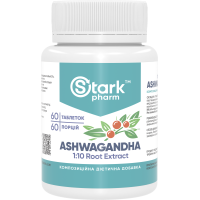
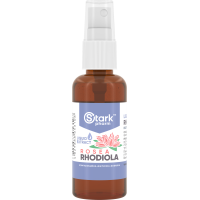
Products related to this post
Related Posts
Comments
Information
Customer Service
Extras
My Account


Sports nutrition manufacturer in Ukraine StarkPharm © 2026


