Your shopping cart is empty!

Is there autumn vitamin deficiency and why is there a lack of energy in autumn?
Published: 25/11/2026
Times Read: 29
Comments : 0
“Autumn vitamin deficiency” is a common explanation for fatigue, sleepiness, and low energy in November. However, a change of season alone does not prove a vitamin deficiency. In different people, these complaints may be linked to shorter daylight hours, changes in sleep, workload, diet, or conditions requiring medical assessment. It is important to distinguish a genuine lack of a specific nutrient from a general decline in well-being.
In Ukraine, sunlight decreases toward the end of autumn, but this does not mean everyone needs the same vitamin complex. The most sensible approach is to assess personal risk factors, diet, and the duration of symptoms, and make targeted decisions about testing and individual supplements.

Autumn vitamin deficiency: what lies behind the popular term
In everyday language, “vitamin deficiency” is often used to describe any fatigue, low mood, or desire to sleep longer. Medically, avitaminosis means a pronounced deficiency of a specific vitamin with characteristic consequences. A lower supply of one or more vitamins, which does not necessarily cause typical severe manifestations, is more often described as insufficiency or hypovitaminosis.
Vitamin B12 is an illustrative example: its deficiency may affect blood cell production and the nervous system. Another example is vitamin D, whose status is linked to dietary intake, metabolism, and ultraviolet exposure of the skin. These are different situations that cannot be grouped under one seasonal label.
That is why the question “Which vitamins should I take in autumn?” should be replaced with a more precise one: “Are there signs or risk factors for a deficiency of a particular nutrient?” The answer depends on more than the calendar.
Why well-being may change in November
Shorter daylight hours can affect wake-up times, morning light exposure, and usual activity patterns. People may go outside less often after work, spend more time indoors, and gradually reduce physical activity. These changes do not necessarily indicate vitamin insufficiency.
Another factor is a disrupted sleep schedule. If bedtime shifts later while waking time remains unchanged, sleep debt accumulates. Drowsiness after several demanding days is not a specific symptom of vitamin B or D deficiency. Similarly, weakness following a viral illness or during psychological strain requires its own explanation.
For some people, seasonal mood changes become noticeable and recurrent. If the condition significantly affects everyday life, its assessment should not be replaced by assumptions about “autumn vitamin deficiency.” Causes and possible support should be evaluated individually.
Which factors can genuinely increase the risk of nutrient deficiencies
| Nutrient | What may affect nutrient status | What cannot be concluded from the season alone |
|---|---|---|
| Vitamin D | Limited skin synthesis, low dietary intake, certain absorption disorders. | That every sleepy person is deficient in vitamin D. |
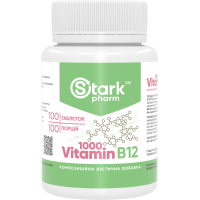
| Vitamin B12 | A vegan diet without a reliable B12 source, certain digestive disorders, some medications. | That November itself lowers B12 levels. |
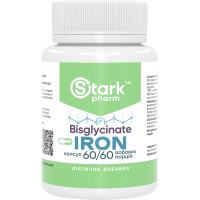
| Iron | Blood loss, inadequate intake, impaired absorption; it is a mineral, not a vitamin. | That fatigue means iron supplements are needed. |
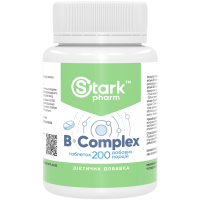
| Folate | A restricted diet, needs at particular life stages, certain conditions and medications. | That a high-dose B-complex should be purchased for winter. |
| Vitamin C | Long-term inadequate consumption of fruits and vegetables, highly restrictive eating patterns. | That the absence of summer berries automatically causes deficiency. |
This is neither a list of tests nor a ranking of the “most important autumn vitamins.” It shows that each nutrient has its own sources and potential causes of deficiency. For example, assessing iron status cannot be replaced by independently choosing a multivitamin; blood loss and digestive health can sometimes matter more than overall dietary composition.
Vitamin D in autumn and winter: what really changes
Vitamin D is obtained from food and can be produced in the skin under ultraviolet B (UVB) radiation. At more northerly latitudes, conditions for skin synthesis are less favourable during the colder months. Individual vitamin D status also depends on diet, time spent outdoors, age, body weight, and other characteristics.
According to the NIH Office of Dietary Supplements, blood 25(OH)D concentration is used to assess vitamin D status. However, thresholds are interpreted differently depending on the purpose of assessment, and one measurement cannot explain every cause of fatigue.
The USPSTF (2021) concluded that evidence is insufficient to assess the balance of benefits and harms of routine screening in all asymptomatic adults. This does not rule out targeted testing for people with risk factors or relevant clinical indications.
From November onward, many people may find it useful to review their dietary sources of vitamin D and discuss individual needs with a healthcare professional. Automatically prescribing the same amount to every reader would disregard differences between individuals.
Vitamin B12: why its status does not depend on the weather
Vitamin B12 is needed for normal blood cell formation and nervous system function. According to NIH ODS, natural dietary sources of B12 are mainly animal-derived foods; specially fortified foods are also available.
The key question is whether the diet includes a reliable B12 source and whether any factors might impair absorption. Groups that may need particular attention include people with certain digestive disorders, those who have undergone specific surgeries, and individuals taking some medications long term, including metformin or medicines that reduce stomach acidity.
Changes in sensation, tingling in the limbs, marked weakness, and other unusual symptoms should not be dismissed as ordinary seasonal drowsiness. Medical assessment is needed; choosing an “energy” supplement without identifying the cause may delay resolving the problem.
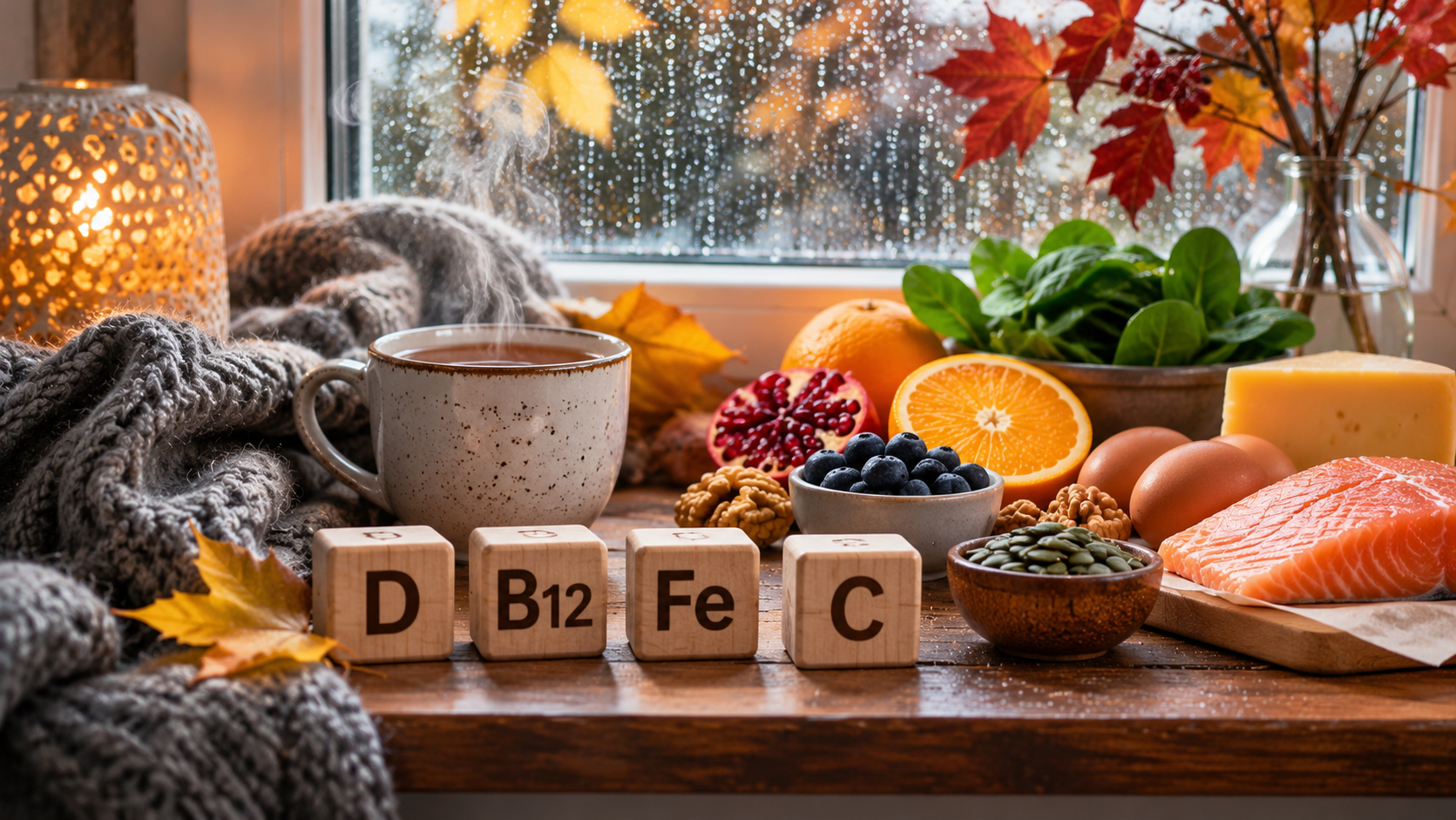
Iron and fatigue: why this is a different issue from vitamins
Iron is a mineral. Its deficiency may cause fatigue, weakness, and reduced tolerance of everyday exertion. However, the same symptoms occur in many other conditions. Iron stores cannot be determined by how someone feels or by skin colour alone.
The NIH Office of Dietary Supplements identifies ferritin as an important marker of iron stores, but its value needs interpretation in a clinical context. A physician may consider a complete blood count and other indicators depending on the circumstances. Inflammatory processes can also complicate interpretation of ferritin.
Iron should not be taken blindly as a supplement for seasonal fatigue. Unnecessary use can cause adverse effects, and the cause of any potential deficiency must also be established.
Why autumn vegetables and an ordinary diet do not mean “vitamin-free food”
By late November, the diet may differ from summer: other seasonal foods are available, and cooking habits change. But nutrients do not come exclusively from fresh berries and leafy greens. Cabbage, root vegetables, legumes, grains, nuts, eggs, fish, and other familiar foods, for example, can form part of a varied diet.
Frozen fruit and vegetables can also complement the diet. The levels of individual vitamins depend on the food, storage, and cooking methods; there is no basis for universally describing frozen products as “empty.” Overall variety and regular nutrient intake matter more.
Long-term highly restrictive diets present a different situation. If a person consistently excludes entire food groups, it is worth checking what replaces those nutrient sources. A monotonous diet can matter in any month of the year.
How to distinguish seasonal tiredness from a situation worth discussing with a doctor
| Situation | What to assess | Next step |
|---|---|---|
| A few days of drowsiness after insufficient sleep | Sleep schedule, workload, evening habits | Return to a regular routine and monitor well-being |
| Prolonged weakness without an obvious cause | Duration, accompanying symptoms, medications, diet | Discuss the need for testing with a doctor |
| Avoiding animal-derived foods | B12 sources and fortified foods | Plan adequate B12 intake with a professional |
| Heavy blood loss and fatigue | Possible iron deficiency and other causes | Seek medical assessment |
| Severe or progressive symptoms | Shortness of breath, fainting, neurological changes, chest pain | Do not delay seeking medical care |
This table does not identify the cause of symptoms. It helps avoid equating all autumn fatigue with a deficiency. New, unusual, or worsening symptoms deserve particular attention.
Do you need tests for every vitamin before winter?
Ordering a large “autumn panel” of tests may sound convenient, but not every measurement is useful without a specific clinical question. Medical assessment starts with symptoms, dietary patterns, previous illnesses, medications, and other factors. Only then is the need for laboratory tests determined.
For some people, measures related to blood cell production may take priority; for others, assessing B12 or vitamin D may be relevant when indicated. There is no single test panel that is equally informative for every adult in November. Results outside a reference range also need to be interpreted in clinical context, rather than based solely on the number on the report.
With persistent fatigue, independently ordering dozens of tests may not answer the main question. Discussing symptoms with a doctor can help avoid unnecessary investigations while ensuring important causes are not missed.
Should everyone take a multivitamin “just in case” in autumn?
The presence of vitamins in a supplement does not mean everyone needs it. If the diet provides essential nutrients and there are no other indications, the benefit of routine supplementation may be limited. When a deficiency in a particular nutrient is confirmed, a multivitamin is not always the most appropriate way to correct it.
Watch for overlapping ingredients: the same nutrient may appear in a multivitamin, a nervous-system formula, and a separate supplement. Compare the amount of active ingredient per recommended serving, not just the name on the front of the package.
Autumn does not make any product more effective. Individual needs, reliable composition information, and the safety of total intake matter more than seasonal promises.
Five practical steps in late autumn
- Review your sleep. Compare your actual sleep duration with your usual pattern and consider how consistent your schedule is.
- Review your diet. Do you eat a variety of food groups every day and have reliable sources of key nutrients?
- Consider daylight and movement. Even in a cloudy November, time outdoors and manageable activity can support a regular daily routine.
- Do not diagnose deficiency from a single symptom. Persistent weakness, noticeable changes in well-being, and other complaints warrant attention.
- Assess specific needs. If you have risk factors, discuss testing and the suitability of a particular nutrient with a doctor.
This approach is relevant beyond November 2026. Even if someone reads this article in spring or summer, the principle remains the same: the calendar cannot replace an assessment of the body's actual needs.
Why similar symptoms do not mean identical deficiencies
Fatigue, irritability, and difficulty concentrating are nonspecific symptoms that occur under many circumstances. For example, one person may sleep enough hours but wake at different times; another may have long-standing dietary restrictions; a third may be going through an intense period at work. Even if symptoms began in November, seasonal coincidence does not prove a shared biological cause.
That is why it is unhelpful to build a “universal deficiency ranking” based on how common symptoms are. A step-by-step assessment begins with questions: when did the symptoms start, what changed in daily routines, are there dietary restrictions, which medicines are being taken, and have any other unusual symptoms appeared? Only then does it make sense to discuss a possible nutrient deficiency and relevant testing.
Different groups of people, different dietary questions
For a person following a vegan diet, the first priority is to assess the reliability of vitamin B12 sources: the season neither creates nor removes this need. Someone experiencing heavy menstrual bleeding may benefit from discussing their iron status. Limited sun exposure may raise different questions about vitamin D. None of these circumstances justifies conclusions about individual levels without proper assessment.
Older age, changes in digestion, and certain medications may also affect nutrient status. Simply adding more supplements in these situations is inconvenient and not always sensible: ingredients may be unintentionally duplicated while the cause of symptoms remains unidentified. It is better to focus on one well-founded question at a time.

What to consider when reading advice about “vitamins for November”
Promises that a single supplement can quickly restore energy rarely explain who actually needs it or what evidence supports the expected outcome. Check whether the material distinguishes scientific observations from specific product advice. The fact that a vitamin participates in a physiological process does not prove that extra intake is beneficial when intake is already adequate.
Different supplements may contain the same nutrient. Before choosing, look beyond the product name to the actual amount of active ingredient per serving, accompanying substances, and possible total intake. Taking multiple complexes at once requires particular care. If there is no clear reason to use an ingredient, it is worth reviewing sleep, diet, and risk factors first.
Brief conclusion
“Autumn vitamin deficiency” is a popular label for various complaints, not a ready-made explanation of their cause. Shorter daylight hours and changes in habits can indeed affect well-being, but the risk of low vitamin D, B12, iron, or another nutrient must be evaluated separately. The best starting point is a balanced diet, sufficient sleep, attention to risk factors, and targeted medical assessment when necessary.
Frequently asked questions
Is autumn vitamin deficiency a separate disease?
It is an everyday term for various complaints. A specific vitamin deficiency is assessed individually, not according to the calendar.
Why do I want to sleep more in November?
Changes in daylight, routines, and workload may contribute. Persistent or pronounced drowsiness warrants investigation of its cause.
Does everyone need vitamin D testing before winter?
No. A universal need to screen asymptomatic people has not been established. The decision depends on individual factors.
Does fatigue mean I lack vitamin B12?
No. B12 deficiency is only one possible cause, so fatigue alone cannot establish it.
Can iron deficiency occur with a normal diet?
Yes. Iron status depends not only on food but also on blood loss and absorption. Symptoms and test results need to be considered together.
Are frozen vegetables less nutritious than fresh ones?
Nutrient content depends on the food and processing conditions. Frozen vegetables can form part of a varied diet.
Should everyone take multivitamins in autumn?
No. Whether they are appropriate depends on diet, risk factors, and individual needs.
Should I buy a B-complex just because I feel stressed?
Stress alone does not prove a deficiency of B vitamins. Diet and overall health must be considered.
Which tests should I take if I have had no energy for a month?
There is no universal list. A doctor determines which tests are needed after assessing symptoms and risk factors.
Does the risk of vitamin deficiency disappear in spring?
No. Many factors are independent of the season. Diet, absorption, and individual needs matter throughout the year.
Sources
- National Institutes of Health, Office of Dietary Supplements. Vitamin D: Fact Sheet for Health Professionals. NIH ODS.
- National Institutes of Health, Office of Dietary Supplements. Vitamin B12: Fact Sheet for Health Professionals. NIH ODS.
- National Institutes of Health, Office of Dietary Supplements. Iron: Fact Sheet for Health Professionals. NIH ODS.
- US Preventive Services Task Force (2021). Screening for Vitamin D Deficiency in Adults: Recommendation Statement. JAMA. PubMed.
- National Institutes of Health, Office of Dietary Supplements. Multivitamin/mineral Supplements: Fact Sheet for Health Professionals. NIH ODS.
- National Institutes of Health, Office of Dietary Supplements. Vitamin C: Fact Sheet for Health Professionals. NIH ODS.
- National Institutes of Health, Office of Dietary Supplements. Folate: Fact Sheet for Health Professionals. NIH ODS.
Dietary supplement. Not a medicinal product. Consult your doctor before use.
Products related to this post
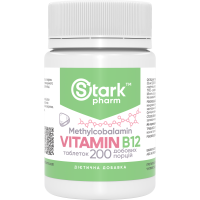
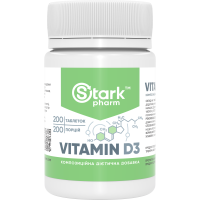
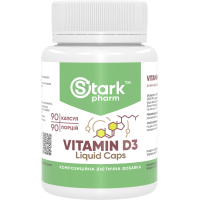
Related Posts
Comments
Information
Customer Service
Extras
My Account


Sports nutrition manufacturer in Ukraine StarkPharm © 2026


