Your shopping cart is empty!

What are nootropics? Types of nootropics
Published: 10/08/2026
Times Read: 415
Comments : 0
The range of nootropic supplements combines substances of different origins: the synthetic compound citicoline, the plant extract of Bacopa Monnieri, the amino acid L-tyrosine. At Stark Pharm, these categories are represented by separate products - Stark Citicoline, Stark Bacopa Monnieri and Stark L-Tyrosine. Let's analyze what nootropics are, what types exist and how they are chosen for a specific purpose: focus, memory, resistance to stress.
A nootropic is a substance that can promote cognitive functions - memory, concentration and learning ability. The term "nootropic" combines substances of various origins - from synthetic molecules to plant extracts and amino acids, some of which are also obtained with food. They have one thing in common: they are all related to the functioning of the nervous system and can be part of the diet during increased mental stress.
Classification of nootropics: comparison of the main groups
Nootropics are conventionally divided into three groups - based on the origin of the active substance. The difference concerns not only the composition, but also the mechanisms through which cognitive function support is achieved.
| Parameter | Synthetic compounds | Plant extracts | Amino acids, nutrients |
|---|---|---|---|
| Example | Citicoline, DMAE | Bacopa monnieri, ginkgo, rhodiola | L-tyrosine, choline, magnesium |
| Mechanism | Synthesis of membrane phospholipids, neurotransmitters | Antioxidant protection, cerebral circulation, adaptogenic effect | Role of neurotransmitter precursor or cofactor |
| Course format | A few weeks | A few weeks–months | Situationally or by courses |
Synthetic nootropics and intermediates
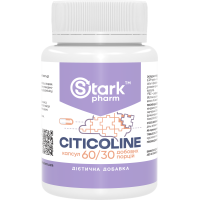
Synthetic nootropics are substances that are intermediates in the brain’s natural biochemical processes, obtained in concentrated form. An example is citicoline (CDP-choline), an intermediate in the formation of phosphatidylcholine, a key component of neuronal membranes. Stark Citicoline is built on this molecule, the formula is supplemented with vitamin B6, which contributes to the normal functioning of the nervous system. Such products usually have a precise dosage in milligrams per capsule.
Herbal nootropics and adaptogens
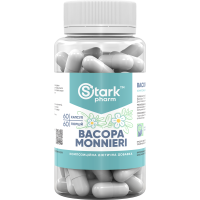
The broadest category is Bacopa Monnieri, Ginkgo Biloba, Rhodiola Rosea, Eleutherococcus. Some of them are called adaptogens: components that are traditionally used to maintain stress resistance during periods of increased stress. Stark Bacopa Monnieri is a standardized extract with a standardized content of bacosides. Such products are more often chosen for long-term course intake, since the effect is cumulative.
Amino acids and nutrients with nootropic effects
The third group is compounds that the body receives with food, but in the form of a supplement they are easier to dose. L-tyrosine is an amino acid, a precursor of dopamine and adrenal hormones. Stark L-Tyrosine is often considered for periods of intense mental or physical exertion. Choline, magnesium and B vitamins belong to the same category - they are not nootropics in the classical sense, but cofactors of nervous system processes.
How nootropics work: basic mechanisms
Nootropic action is the effect of substances that can promote memory, support learning, and the brain's resistance to increased stress. Despite their different origins, nootropics have several typical directions of action:
- participation in the exchange of neurotransmitters (dopamine, acetylcholine);
- support of neuronal membranes;
- impact on cerebral circulation;
- antioxidant cell protection;
- promoting stress resistance of the nervous system (for certain plant forms).
A specific product usually implements one or two of these mechanisms, so the choice should be based on which function is important in a specific situation.
Who and when may nootropics be appropriate?
Nootropic supplements are often considered by students during a session, professionals with long attention spans, and those looking to support productivity during a busy schedule. As part of a balanced diet, they can be a supplement to, not a replacement for, sleep, nutrition, and recovery—factors that remain fundamental to cognitive performance.
How to choose a nootropic and what to look for
A practical guideline is to start from the goal, not from the name of the substance: for focus with a clear dosage, synthetic compounds are often considered, for long-term stress resistance - plant adaptogens, for situational support during periods of stress - amino acids. Dosage - according to the instructions on the package. Before taking, it is worth considering individual sensitivity, and in case of chronic conditions, pregnancy, lactation or taking other drugs - consult a doctor.
Frequently asked questions
What are nootropics in simple words?
A group of substances — synthetic, plant-based, or amino acid-based — related to the functioning of the nervous system that can support cognitive activity within the diet.
How are nootropics different from stimulants?
Stimulants increase alertness through short-term activation. Nootropics work more often through metabolic processes and do not always give a noticeable effect immediately.
What are the types of nootropics?
There are three groups: synthetic compounds (citicoline), plant extracts and adaptogens (bacopa, ginkgo, rhodiola), amino acids and nutrients (tyrosine, choline).
Is it possible to combine several nootropics at the same time?
It happens, but it is better to discuss the composition and dosage with your doctor, especially when taking other supplements or medications.
It depends on the group: amino acid variants are sometimes felt faster, plant extracts usually work cumulatively throughout the course.
Who should be careful?
People with chronic conditions, pregnant and lactating women, as well as those taking other medications.
Are nootropics drugs?
The products presented in the article are dietary supplements, not medicines.
How to choose a nootropic for a specific purpose?
For precise dosing and focus, synthetic compounds are used, for long-term stress resistance, plant adaptogens, and for situational support, amino acids.
Can I take nootropics on a regular basis?
Most products are designed for course use with breaks; the duration is indicated in the instructions on the package.
Are herbal nootropics safer than synthetic ones?
Both categories are dietary supplements with their own contraindications; the guideline is always the instructions on the package and individual tolerance.
Select product
Stark Citicoline 250 mg is a synthetic precursor compound of phosphatidylcholine, to maintain focus with a clear dosage.
Stark Bacopa Monnieri 500 mg is a standardized plant extract, a course option to maintain stress resistance and concentration.
Stark L-Tyrosine 500 mg is an amino acid supplement suitable for periods of intense mental or physical exertion.
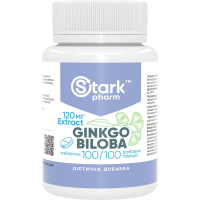
Stark Ginkgo Biloba Extract 120 mg 100 tablets is a supplement based on ginkgo biloba leaves, which is appropriate to take to support cognitive function, concentration, and antioxidant protection.
Stark Ginkgo Biloba Liquid Extract 50 ml — ginkgo biloba extract in liquid drop format to support cognitive activity and antioxidant protection.
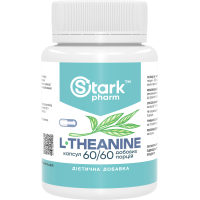
Stark L-Theanine 200 mg 60 capsules is the amino acid L-theanine, which is often used to maintain concentration, attention, and psycho-emotional stability during exercise.
Dietary supplement. Not a medicine. Consult a doctor before use.
Products related to this post
260.00грн
Add to Cart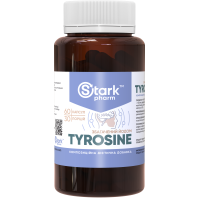
230.00грн
Add to Cart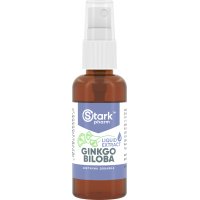
Comments
Information
Customer Service
Extras
My Account


Sports nutrition manufacturer in Ukraine StarkPharm © 2026