Your shopping cart is empty!

Adaptogens and how they help the body cope with stress
Published: 10/08/2026
Times Read: 406
Comments : 0
Adaptogens are a separate category of supplements that include mushroom extracts like cordyceps, plant components like eleutherococcus, and natural steroid-like compounds like ecdysterone. At Stark Pharm, these areas are represented by the products Stark Cordyceps, Stark Eleuthero, and Stark Ecdysterone. Let's take a look at what adaptogens are, how they relate to stress, and how they differ from each other.
What are adaptogens?
The term "adaptogen" describes a group of components that are traditionally used to support the body's ability to adapt to physical and psycho-emotional stress. It is not a single substance or a single mechanism - but an entire category of natural compounds of various origins, united by a common function in the diet. Among the most common examples are ginseng, ashwagandha, rhodiola rosea, eleutherococcus, schisandra chinensis, cordyceps, holy basil and others.
How stress affects the body and the role of the hypothalamic-pituitary-adrenal system
In response to stress, the body activates reactions involving adrenal hormones and the nervous system - this regulatory chain is called the hypothalamic-pituitary-adrenal system (HPA system). With prolonged or frequent stress, this can affect tone and well-being. Adaptogens are traditionally considered as components that can support the body's ability to adapt to such conditions within the diet - without the sharp stimulating effect inherent in classic stimulants. In sports, plant-based adaptogens are sometimes considered as an aid to intensive training, since they are associated with the regulation of this system and can contribute to a smoother recovery after stress.
Types of adaptogens: comparison of the main groups
Adaptogens are conventionally divided into groups based on the origin of the active component. The difference concerns not only the source of the raw materials, but also the type of stress they mainly accompany. The most famous plant adaptogens are ashwagandha, rhodiola rosea, eleutherococcus, ginseng and mushrooms (reishi, cordyceps).
| Parameter | Plant adaptogens | Mushroom adaptogens | Natural steroid-like compounds |
|---|---|---|---|
| Example | Eleutherococcus, rhodiola, ashwagandha | Cordyceps, reishi | Ecdysterone |
| Source | Roots and plant extracts | Mycelium or fruiting body of a fungus | Plant sources (e.g. Leuzea) |
| Typical focus | General stress resistance, tone | Endurance, energy metabolism | Support for muscle tissue during exercise |
| Course format | A few weeks–months | A few weeks–months | A few weeks |
Plant and mushroom adaptogens
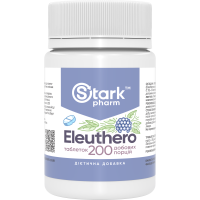
Eleutherococcus (Siberian Ginseng) is a classic herbal adaptogen that has long been studied in the context of endurance and tone. Stark Eleuthero is based on an extract of Eleutherococcus root and is often considered to support overall tone during periods of increased stress.
Cordyceps is a mushroom traditionally associated with endurance and energy metabolism. Stark Cordyceps contains a standardized extract with polysaccharides and is often chosen by those interested in physical endurance along with stress resistance.
Ecdysterone as a natural adaptogen
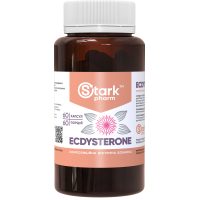
Ecdysterone is a natural compound of plant origin, which is classified as a separate subgroup of adaptogens. Unlike classic extracts, it is more often considered in the context of muscle tissue support and recovery during physical exertion. Stark Ecdysterone is a concentrated form of the substance with a clear dosage per capsule.
Adaptogens of animal origin
In addition to plant and mushroom adaptogens, there is a group of components of animal origin - they are obtained from animal tissues or bee products. Unlike plant adaptogens, they include a complex of amino acids. The most common examples are pantocrine and bee products, in particular propolis. In the Stark Pharm catalog, the main emphasis is on plant, mushroom and natural steroid-like adaptogens.
How adaptogens work: basic mechanisms
Despite their different origins, adaptogens have several typical directions of action:
- maintaining tone and general working capacity;
- participation in processes related to cell energy metabolism;
- antioxidant protection against oxidative stress;
- support of muscle tissue during physical exertion (for individual compounds);
- helping to reduce nervousness within the diet.
Unlike classic stimulants (e.g. caffeine), adaptogens have a milder effect and do not have a pronounced debilitating effect on the nervous system. The effect of their use is usually cumulative - it is realized during the course, and not immediately after taking it.
Who and when may adaptogens be appropriate?
Herbal adaptogens are often considered by athletes during periods of intense training, people with busy work schedules, and anyone looking to maintain overall fitness during a season of increased stress. Within the framework of the diet, they can be a supplement, not a replacement, for sleep, nutrition, and recovery. A rough breakdown looks like this:
| Load type | An adaptogen that is often considered |
|---|---|
| Periods of increased stress | Ashwagandha |
| Decreased general tone | Rhodiola rosea |
| Intense physical training | Ginseng, Eleutherococcus |
| Chinese lemongrass | |
| Increased mental workload | Ashwagandha, Rhodiola rosea |
What is known from scientific research?
Adaptogen studies exist, but the level of evidence varies depending on the specific plant. For ashwagandha, some studies indicate a possible improvement in endurance and certain indicators of physical performance, as well as a decrease in stress levels and improved sleep quality. Rhodiola rosea is associated with a decrease in fatigue and an improvement in some indicators of endurance, although the results of different studies are not uniform. For ginseng, some studies record an improvement in performance and a decrease in fatigue. There is significantly less data on eleutherococcus than on the plants listed above. In general, the available data more often indicate a positive relationship between ashwagandha and rhodiola rosea with endurance, recovery, and exercise tolerance than with a clear effect for the other adaptogens.
How to take adaptogens and what to look for
A practical guideline is to choose an adaptogen according to the type of load: for general stress resistance and tone, herbal options such as Eleutherococcus are more often considered, for endurance - mushroom adaptogens such as Cordyceps, for muscle tissue support during active training - ecdysterone. Dosage - according to the instructions on the packaging of a specific product. Before taking, it is worth considering individual sensitivity, and in case of chronic conditions, pregnancy, lactation or taking other medications - consult a doctor.
Precautions and possible individual reaction
Like any active supplement, adaptogens can cause individual reactions, especially when exceeding the recommended dosage or combined with other stimulants. Possible manifestations of individual sensitivity include: fluctuations in blood pressure (more often associated with ginseng), sleep disturbances when taken in the afternoon, headache, gastrointestinal discomfort, and increased excitability (more often associated with rhodiola). If any unusual reactions occur, you should stop taking it and consult a doctor. People with cardiovascular conditions are especially advised to consult a doctor before starting to take adaptogens.
Frequently asked questions
What are adaptogens in simple words?
A group of natural components of plant or fungal origin that are traditionally used to support the body's ability to adapt to stress.
How are adaptogens related to stress?
They are considered components that can support the body's stress resistance within the diet during physical or psycho-emotional stress.
How do adaptogens differ from stimulants?
Stimulants provide short-term activation of the nervous system. Adaptogens act more gently and cumulatively, without a sharp stimulating effect.
What are the types of adaptogens?
There are three groups: plant (Eleutherococcus, Rhodiola), mushroom (Cordyceps, Reishi) and natural steroid-like compounds (ecdysterone).
How long do you need to take adaptogens to feel the effect?
The effect is usually cumulative and is realized over a course of several weeks, not immediately.
Is it possible to combine several adaptogens at the same time?
It happens, but it is better to discuss the composition and dosage with your doctor, especially when taking other supplements or medications.
Who should be careful about taking adaptogens?
People with chronic conditions, pregnant and lactating women, as well as those taking other medications.
Are adaptogens medicines?
The products presented in the article are dietary supplements, not medicines.
Can adaptogens be taken on a regular basis?
Most products are designed for course use with breaks; the duration is indicated in the instructions on the package.
How to choose an adaptogen for your purpose?
For general tone - herbal options, for endurance - mushroom adaptogens, for muscle tissue support during exercise - ecdysterone.
Select product
Stark Cordyceps 500 mg 60 tablets is a mushroom adaptogen to support endurance and energy metabolism.
Stark Ecdysterone 400 mg 60 capsules is a natural adaptogen, suitable for active physical activity.
Stark Eleuthero 50 mg 200 tablets is a classic herbal adaptogen for maintaining tone and stress resistance.
Dietary supplement. Not a medicine. Consult a doctor before use.
Products related to this post
![Stark Cordyceps 500 mg 60 tablets [Cordyceps Sinensis, polysaccharides 40%]](https://starkpharm.com/image/cache/catalog/p/25165/N_Cordyceps_60caps_4-front_2000-200x200.png "Stark Cordyceps 500 mg 60 tablets [Cordyceps Sinensis, polysaccharides 40%]")
Comments
Information
Customer Service
Extras
My Account


Sports nutrition manufacturer in Ukraine StarkPharm © 2026